
Documenting the Systems Behind Touchless Water Delivery
Engineering documentation for sensor-activated faucet systems, including installation context, rough-in coordination, sensor behavior, power, hydraulics, service access and the relationship between the fixture and the surrounding building infrastructure.
From Fixture Geometry to System Coordination
Technical documentation helps translate touchless faucet research into information that can support design, installation, commissioning and long-term facility operation.
Relevant documentation extends beyond the visible faucet body to include sensors, control modules, solenoid valves, water supply, power arrangements, basin geometry and maintenance access.
The purpose of this page is to organize those documentation areas for architects, engineers, plumbing designers, specification professionals and facility teams.
Core Information for AEC & Facility Teams
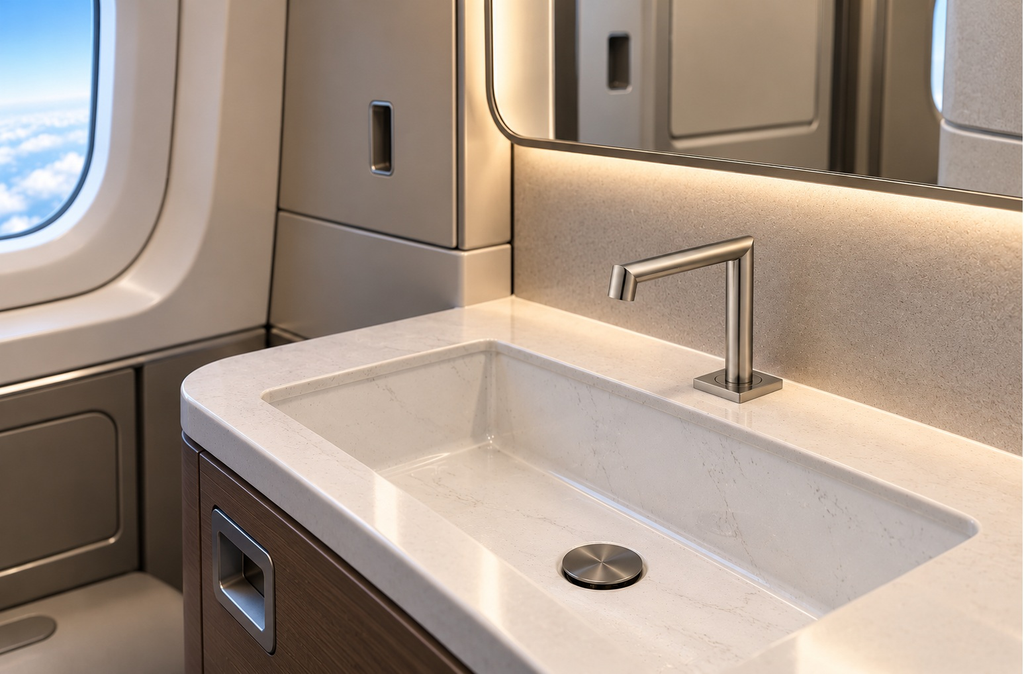
Documentation should help teams understand the fixture, its installation conditions, its system interfaces and the components that require access throughout the service life.
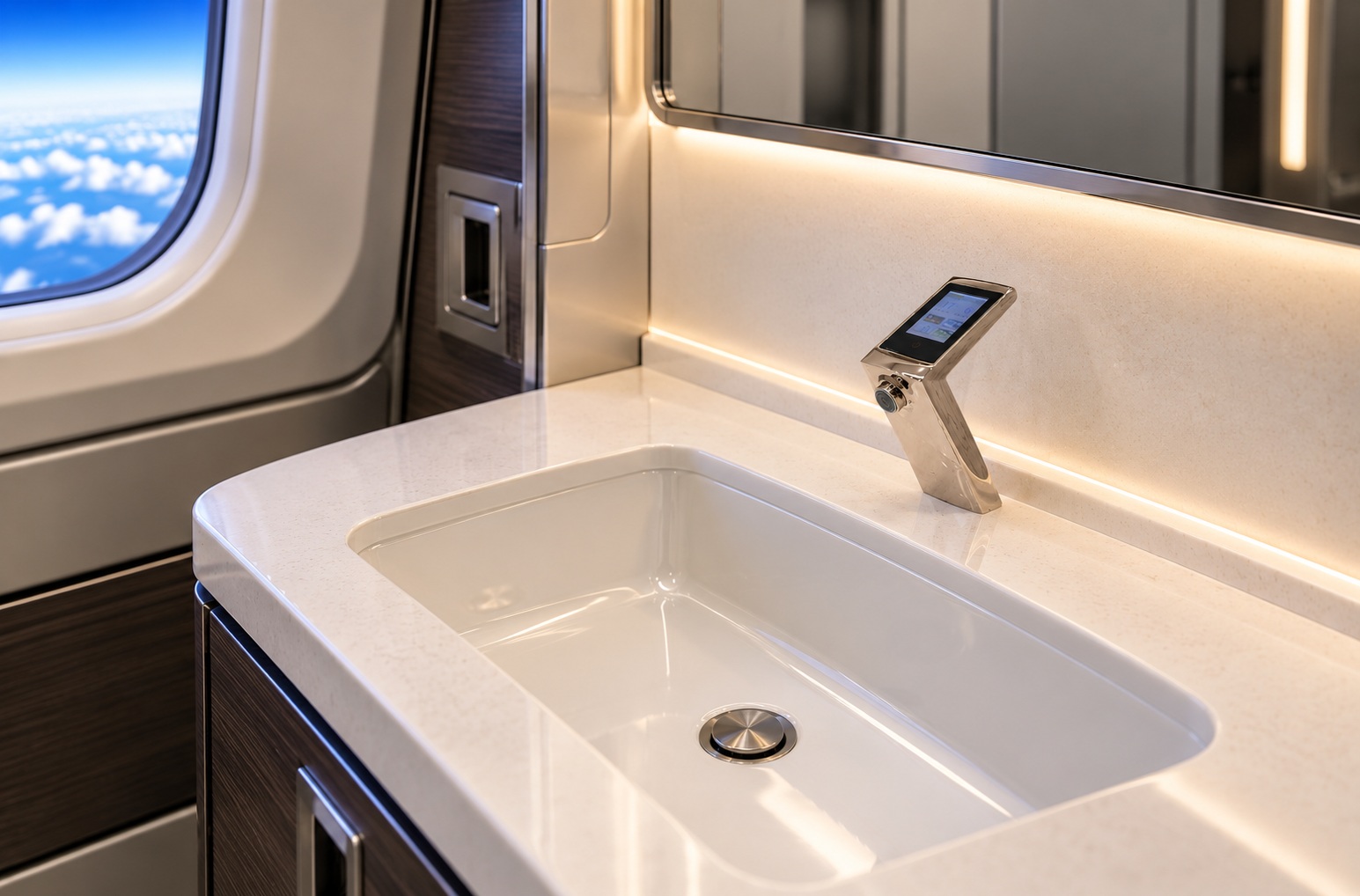
Fixture Placement
Documentation should show the relationship between faucet position, countertop or deck, basin geometry and user interaction.
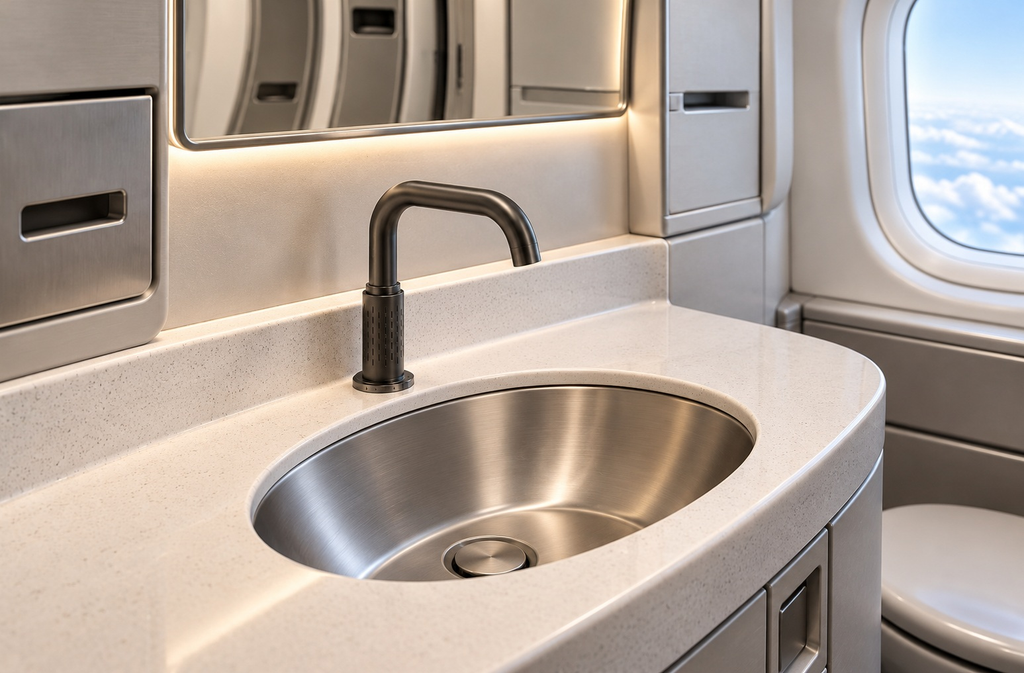
Plumbing Coordination
Supply locations, valves, control components and under-counter space should be coordinated with the architectural and MEP design.
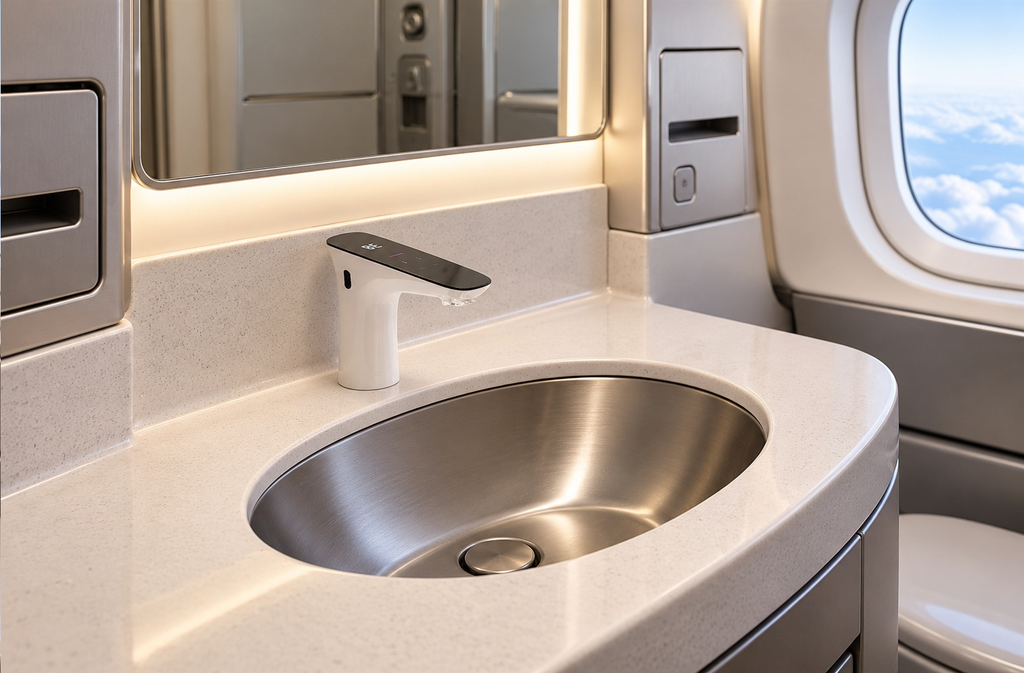
Detection Zone
Sensor documentation can describe intended detection behavior and its relationship to basin geometry, user position and surrounding surfaces.
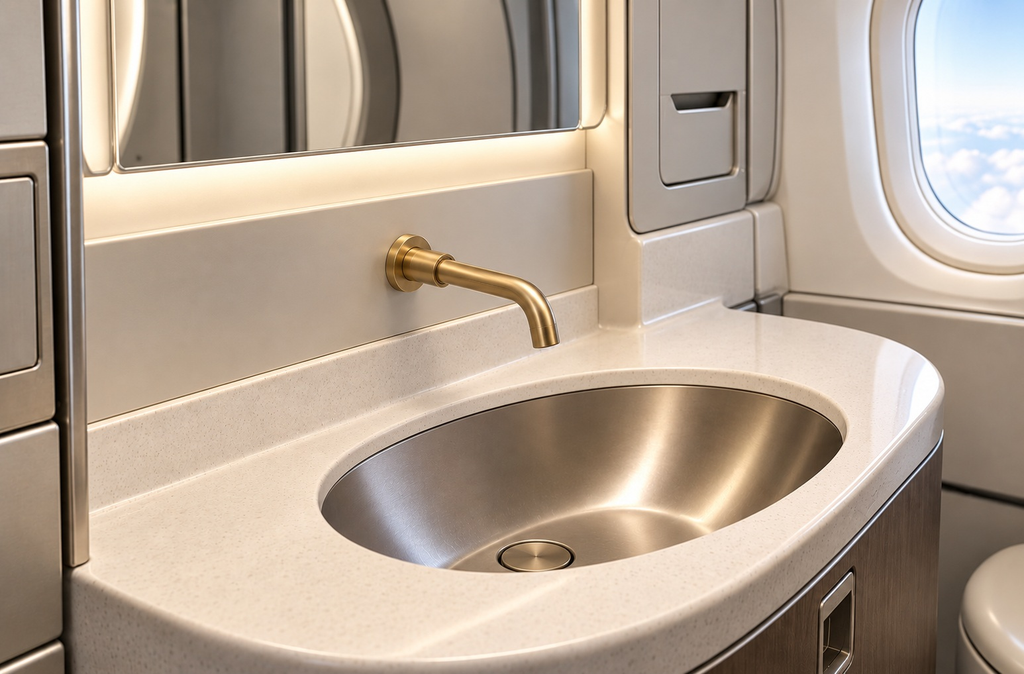
Power Connection
Battery, hardwired and hybrid arrangements require clear documentation of power source, controller location and service requirements.
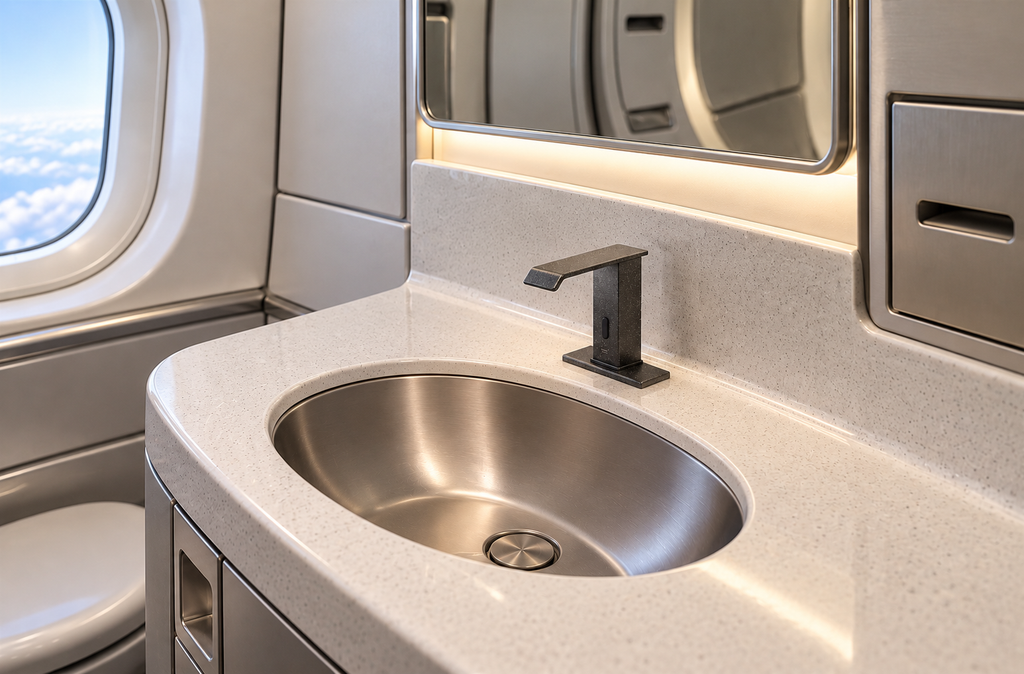
Service Access
Controllers, filters, valves and power sources should remain identifiable and accessible for inspection, troubleshooting and maintenance.
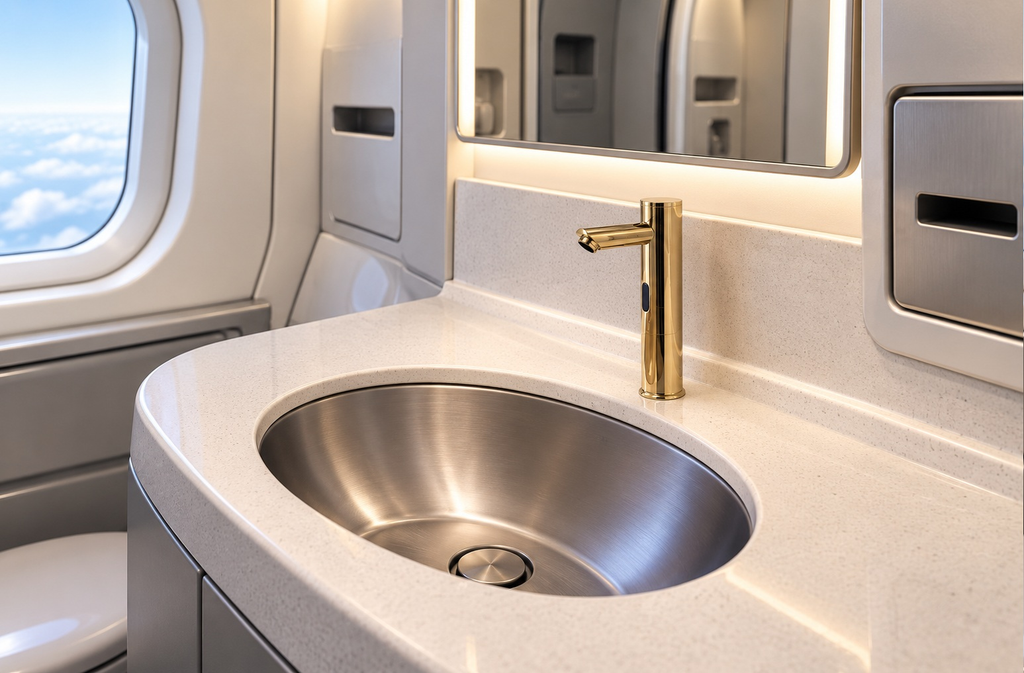
Project Information
Technical documentation can record fixture characteristics, system interfaces, installation requirements and maintenance considerations.
Documenting How the System Works
Automatic faucets operate through a coordinated sequence. A sensing system identifies user presence, an electronic controller processes the signal and a solenoid valve opens the water path.
Documentation can make those relationships easier to understand by identifying each functional element and showing how the components interact.
The sensing system identifies the intended activation condition within the detection field.
The controller interprets the sensor input and determines whether to actuate the valve.
The solenoid opens the water path when the controller issues an activation command.
Flow regulation, supply pressure and fixture geometry influence water delivered to the user.
The system closes the valve when the activation condition ends or the programmed control sequence requires it.
Technical Views That Support Design Coordination
Architectural and MEP documentation can use multiple drawing types to communicate installation, rough-in, electrical and service relationships.
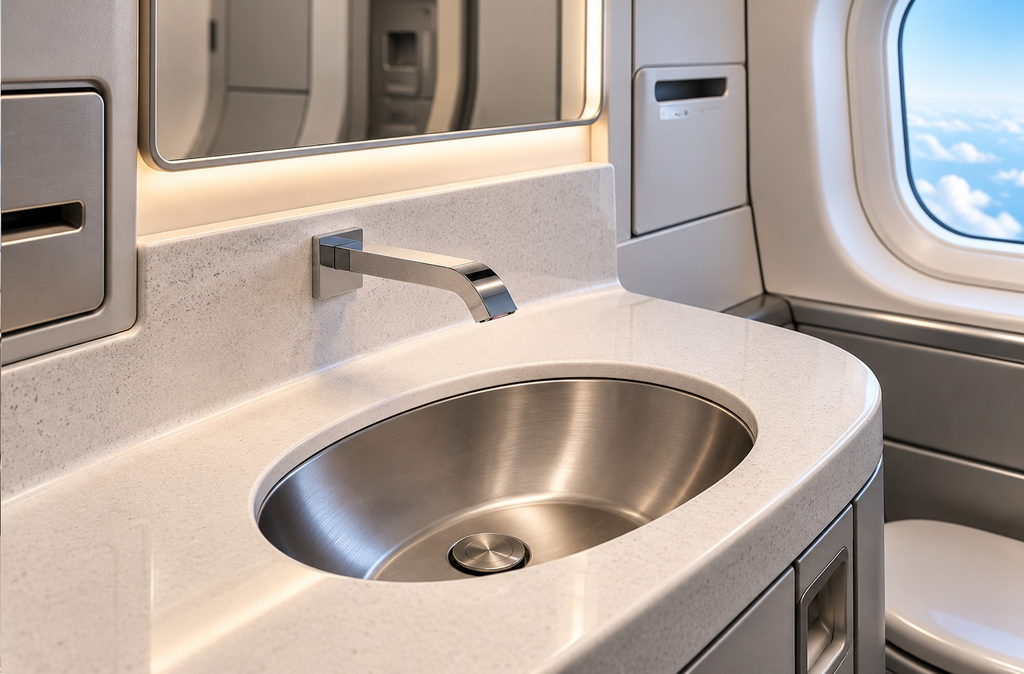
Fixture Geometry
Overall dimensions help coordinate fixture height, reach, mounting position and surrounding clearances.
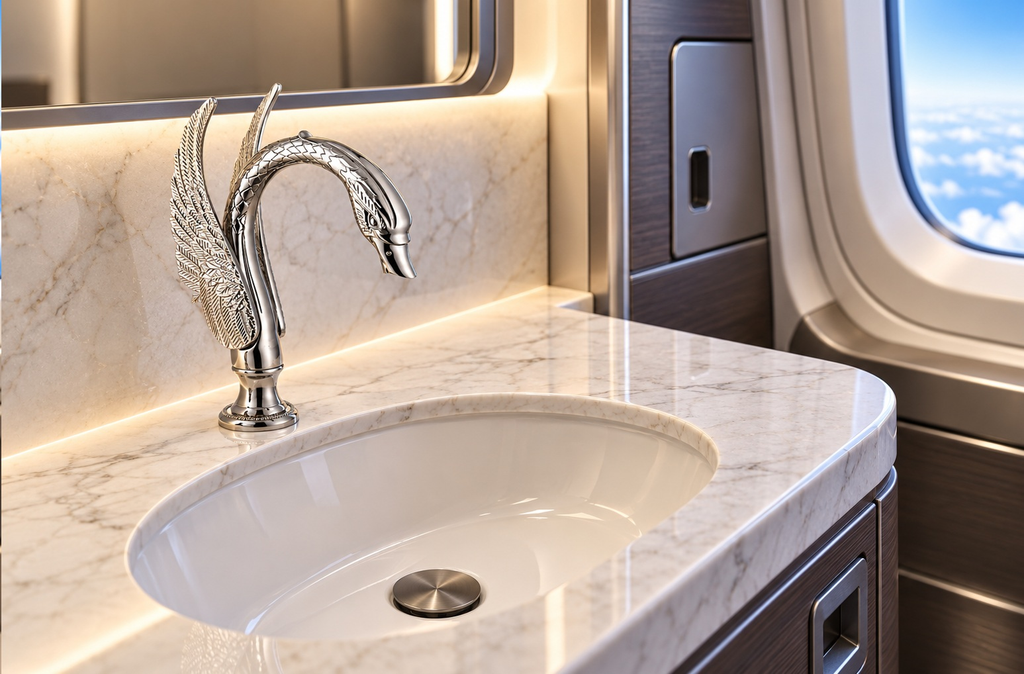
Countertop Installation
Mounting documentation can identify deck conditions, fixture position and the interface between faucet and basin.
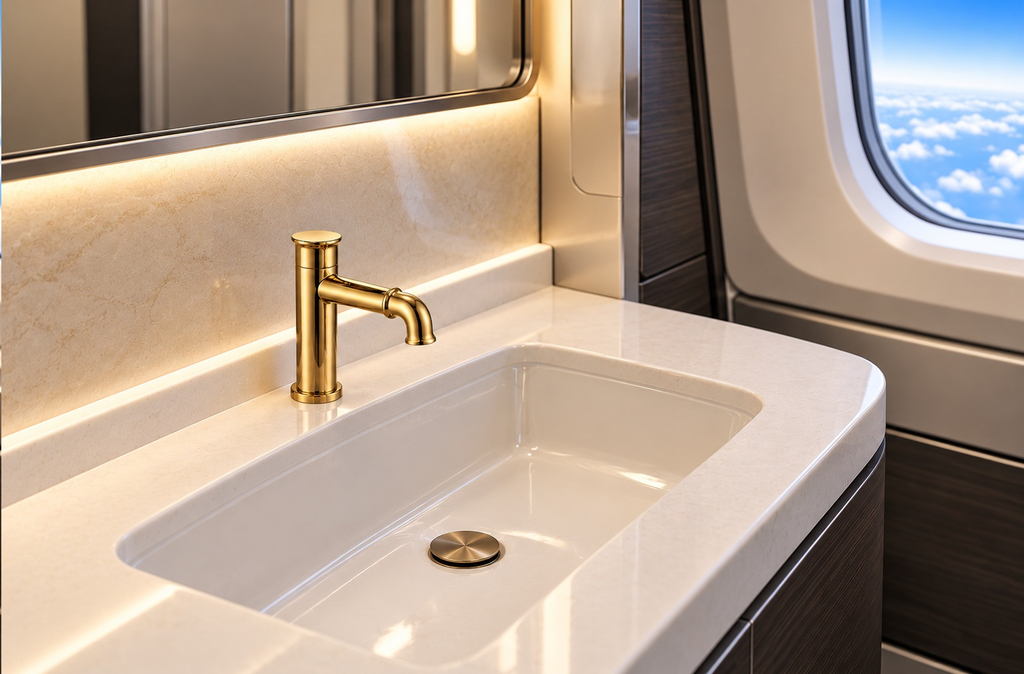
Supply & Rough-In
Rough-in drawings support coordination of water supply, valves, control components and service space.
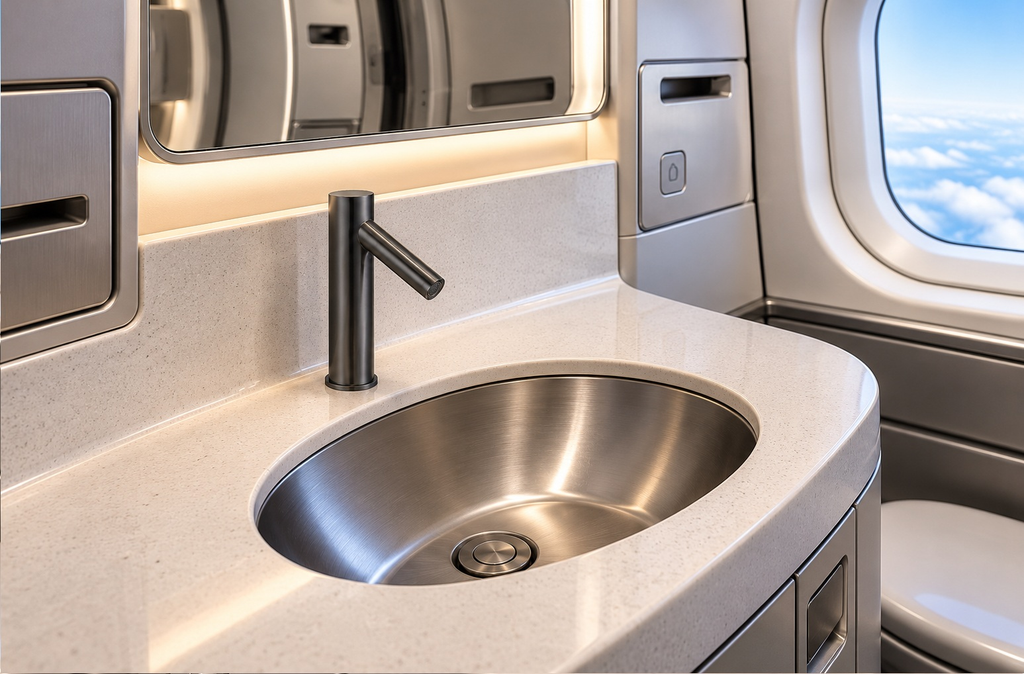
Power & Control
Electrical documentation can identify controller location, power arrangement and connections required for the selected system.
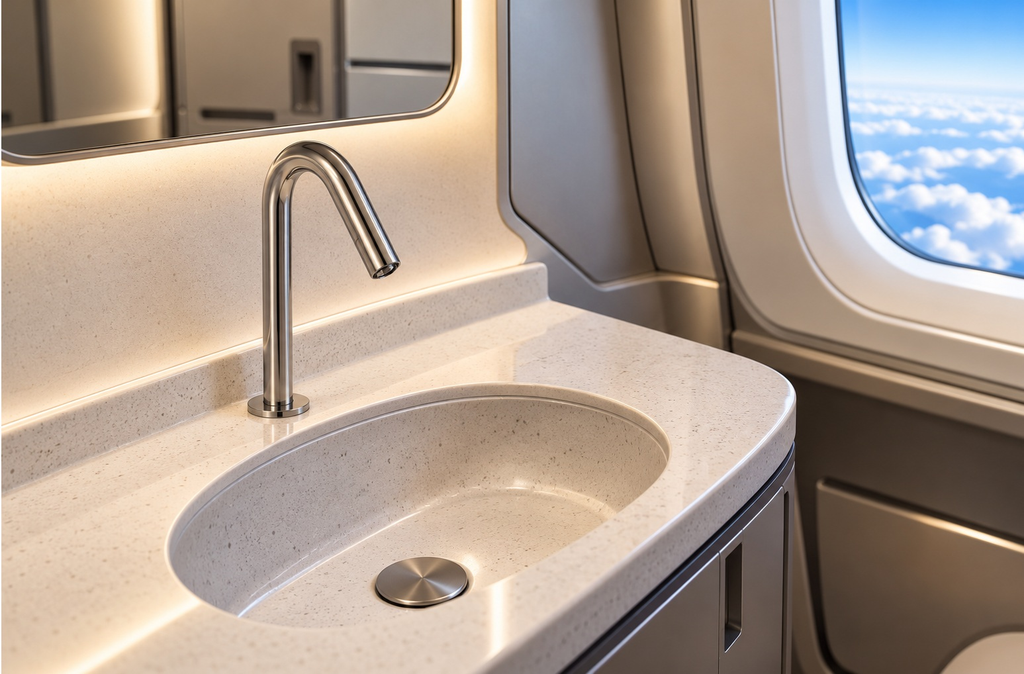
Component Layout
Under-counter views can clarify placement of controls, solenoid valves, power sources, filters and supply connections.
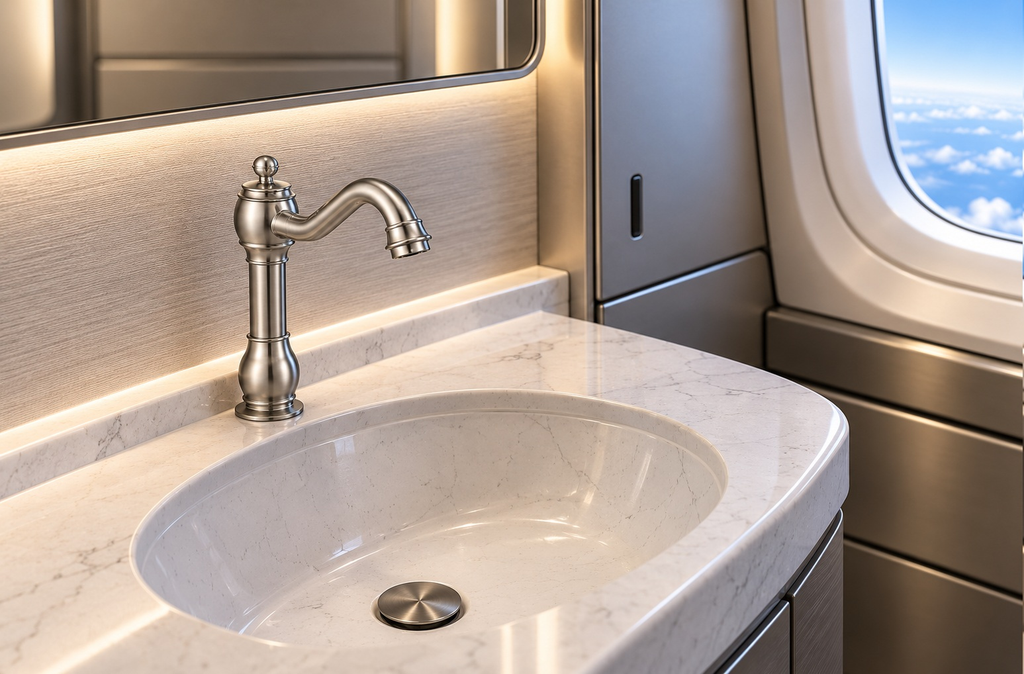
Maintenance Access
Service documentation helps facility teams identify components that require inspection, cleaning, replacement or troubleshooting.
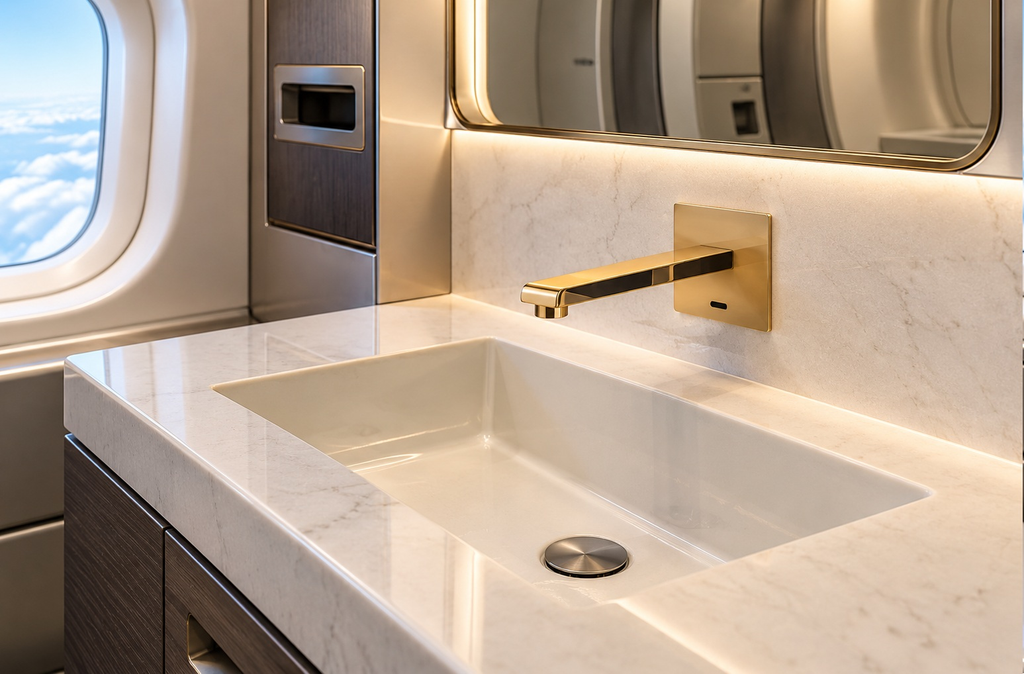
Recording Conditions That Influence Water Performance
Water performance depends on the relationship between fixture flow regulation, activation duration, pressure, supply conditions and commissioning.
Technical documentation should distinguish nominal fixture characteristics from actual operating conditions within the building.
- Flow information: Document the intended flow characteristics of the fixture.
- Supply conditions: Identify relevant pressure and water-supply requirements.
- Activation behavior: Record control or timing information that affects water delivery.
- Commissioning: Clarify adjustments or verification needed after installation.
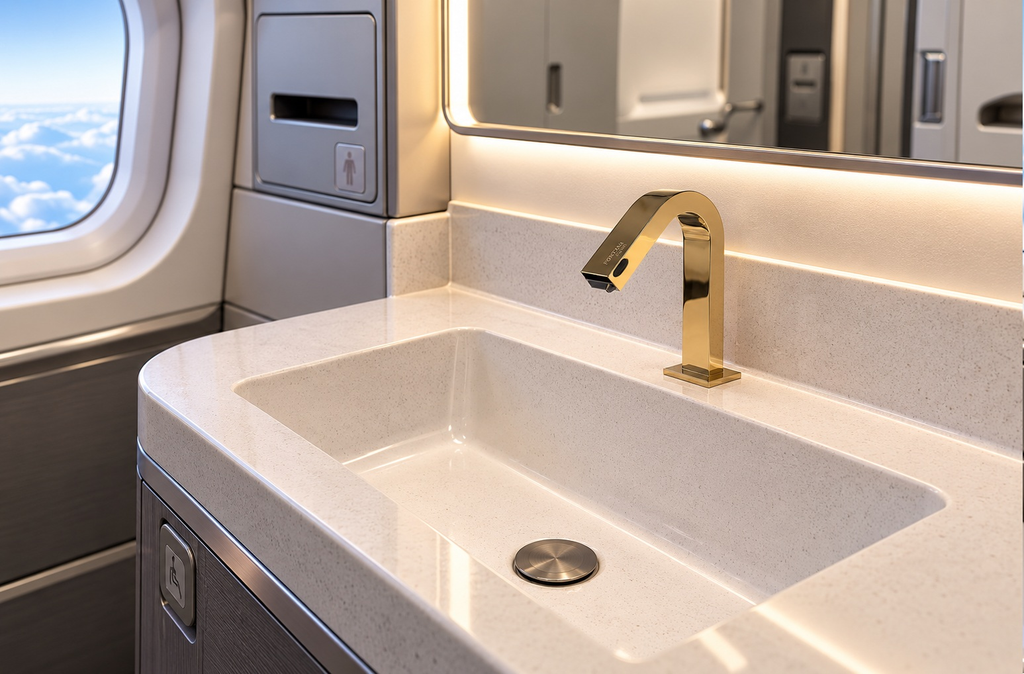
Supporting Long-Term Operation
Documentation remains useful after construction. Facility teams rely on clear information to identify components, understand access requirements and plan routine maintenance.
Service documentation can reduce uncertainty when diagnosing activation, flow, power or valve-related issues.
- Component identification: Clearly identify sensors, controllers, valves, filters and power sources.
- Access information: Show where serviceable components are located.
- Routine maintenance: Record relevant inspection, cleaning and replacement considerations.
- Troubleshooting context: Help teams distinguish sensing, power, hydraulic and mechanical issues.
Information That Is Clear, Coordinated & Useful
Technical documentation is most useful when it connects product information with the real installation and operating conditions of the facility.
Readable Information
Drawings, notes and technical descriptions should communicate system relationships without unnecessary ambiguity.
Architectural & MEP Alignment
Fixture, basin, plumbing, electrical and service requirements should be considered together.
Reference Sources
Technical claims and product characteristics should be connected to appropriate engineering or manufacturer documentation where available.
Lifecycle Usefulness
Documentation should remain useful to facility teams after construction for service, inspection and system understanding.
Documentation Across High-Traffic Facilities
The same core system information applies across different public environments, while project-specific conditions influence installation and operational requirements.
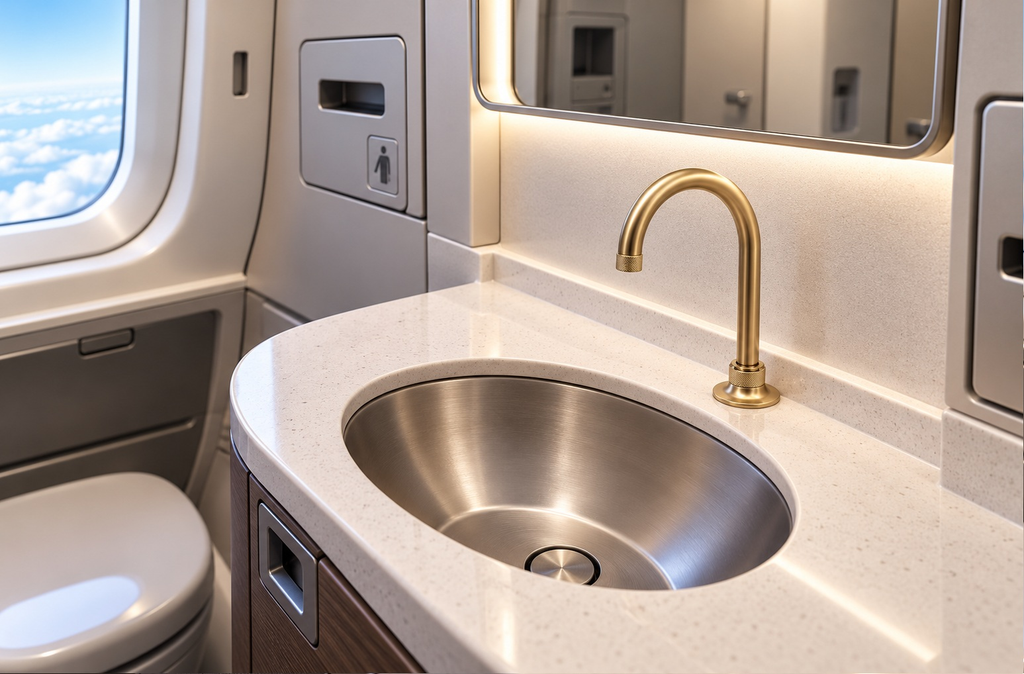 Airport Facilities
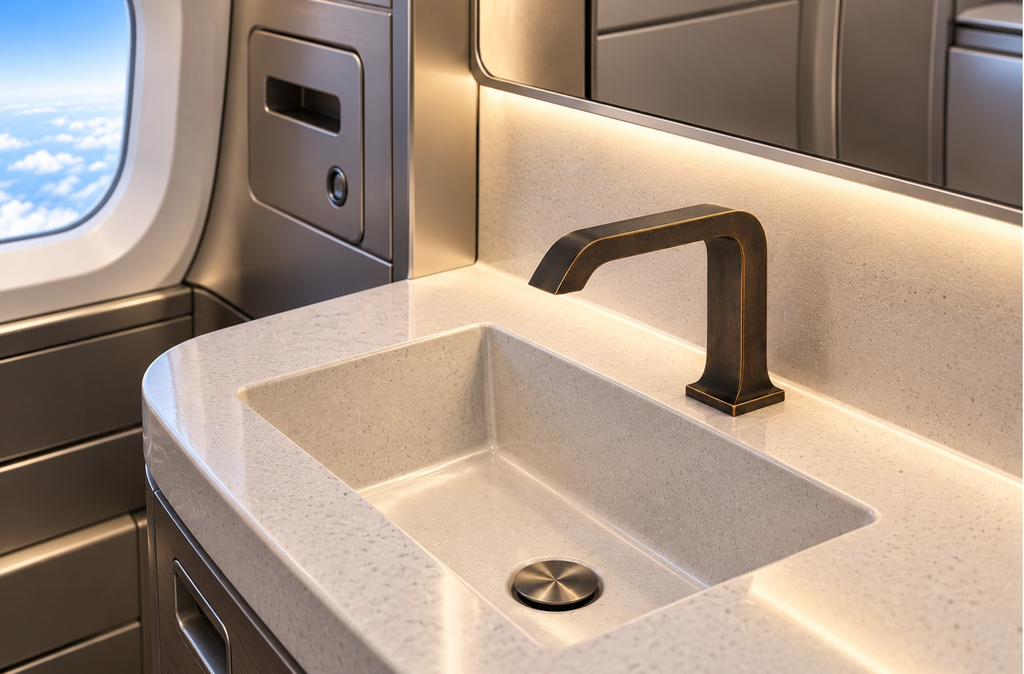 Transportation FacilitiesCommercial Buildings
 Institutional Facilities
Connecting Technical Information With Real Project Conditions
The objective is to organize installation, system, performance and maintenance information so design and facility teams can better understand how touchless faucet systems integrate with the built environment.