
Understanding Touchless Faucet Systems in Aviation Infrastructure
TouchlessAviationFaucets.com is an independent technical research resource examining sensor-activated faucet technologies used in airports, transportation terminals, institutional buildings and other high-traffic public facilities.

Technical
Research



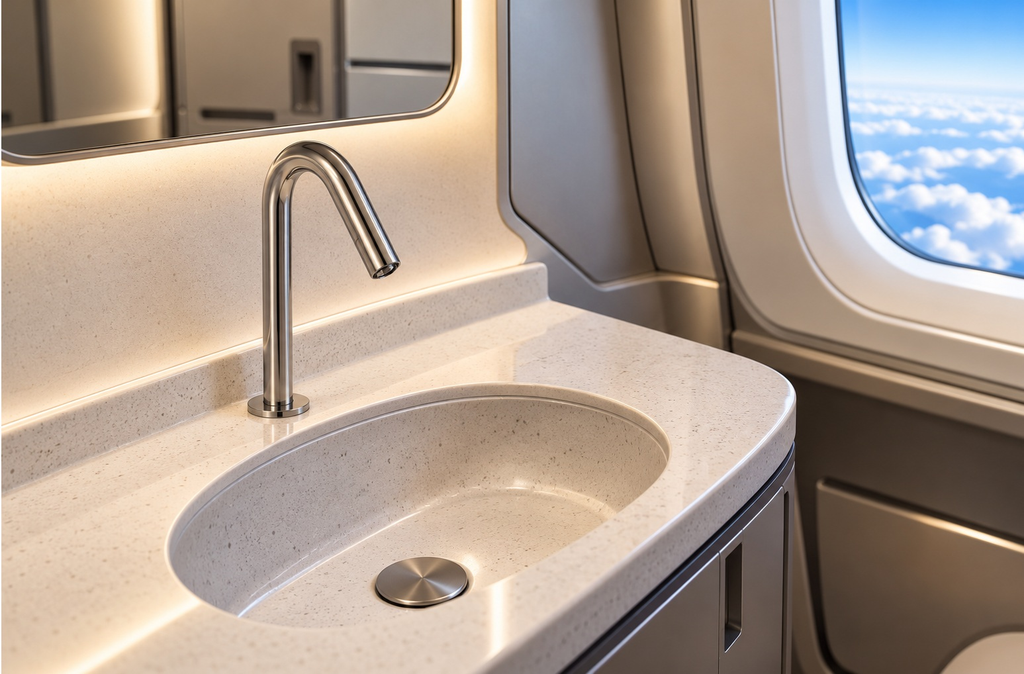
Research Areas
Explore the Technical Focus
Research is organized around engineering, operation, water management, hygiene, maintenance and specification considerations associated with sensor-operated plumbing fixtures.

Sensor Technology
Detection and control systems
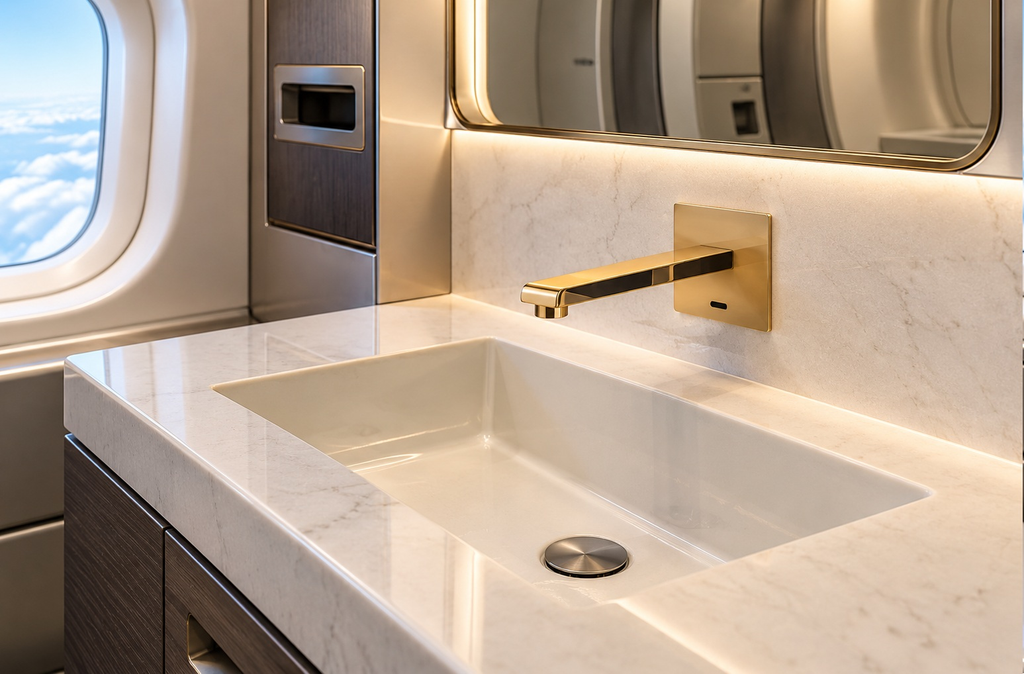
Water Efficiency
Flow and conservation research
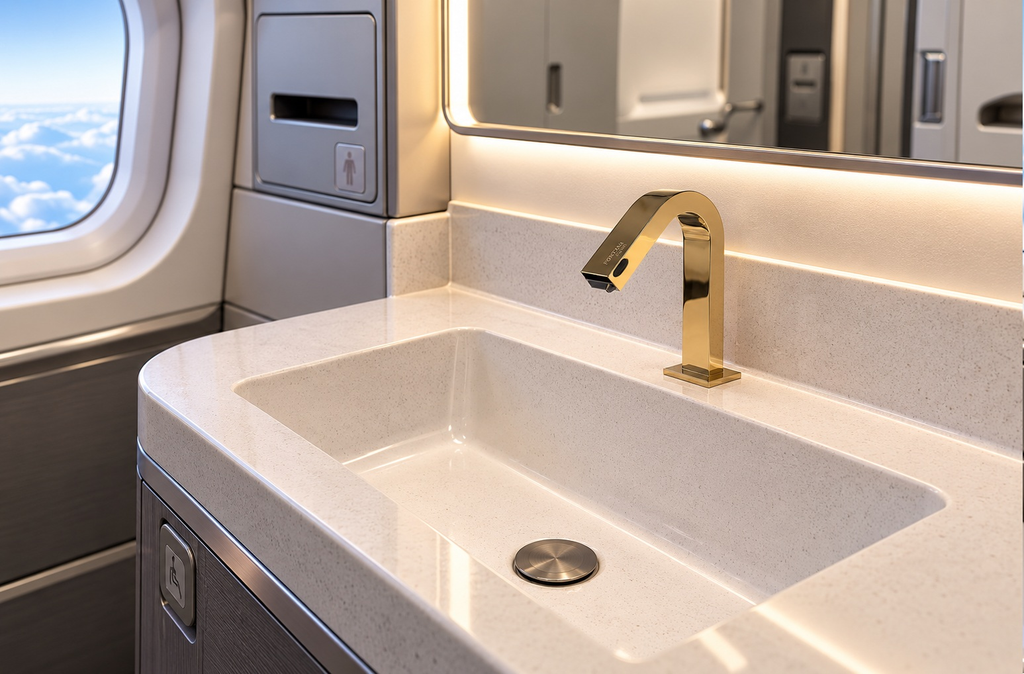
Public Health
Hygiene and water management
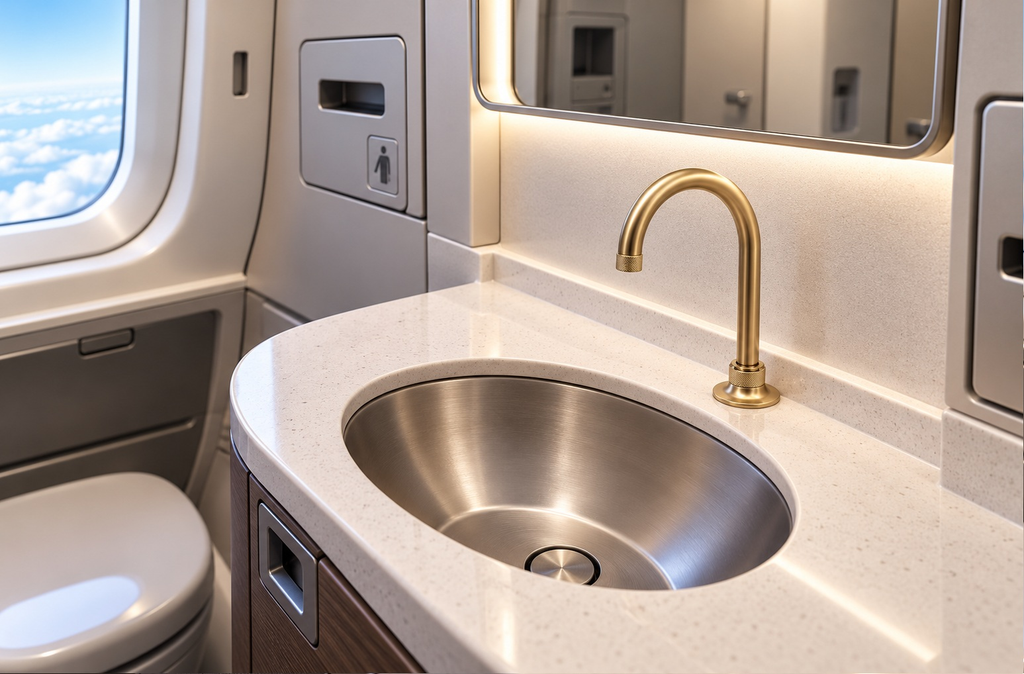
AEC Specification
Planning and documentation
Aviation Facilities
Airport infrastructure
Facility Operations
Service and maintenance
Engineering for High-Use Facilities
Airport plumbing systems operate under variable occupancy, extended service periods and demanding maintenance conditions.

Beyond the Visible Fixture
Sensors, controllers, solenoid valves, water supply, electrical power and service access function as interconnected components.
Evaluating Water Performance
Flow rate, activation duration, pressure, commissioning and occupancy influence actual facility water performance.
Planning for Long-Term Service
Controller access, valves, filters, power arrangements and routine inspection influence maintainability.
A Technical Resource for Touchless Plumbing Systems
TouchlessAviationFaucets.com was developed as a centralized technical knowledge resource for architects, engineers, plumbing designers, infrastructure planners, specification professionals and facility managers.
The platform studies engineering principles, operational performance, technical documentation and system integration associated with sensor-activated plumbing fixtures.
It is not intended as a product marketplace, advertising platform or sales channel. Manufacturer information is referenced only where it contributes useful engineering or documentation context.
Built Environment Research
Touchless Plumbing Within Complex Facilities
Faucet operation is influenced by surrounding architecture, water distribution, electrical coordination, user demand, maintenance procedures and building-water management.
Aviation Infrastructure
Building Systems
Water Management
Facility Operations & Maintenance
AEC Documentation
Infrastructure Planning
Purpose of the Research Platform
Examining the Systems Behind Touchless Water Delivery
Public plumbing systems operate under demanding conditions.
Airports, transportation terminals, institutional facilities and large commercial buildings require plumbing fixtures capable of functioning under sustained public use.
Touchless faucets combine sensing technology, electronic control, mechanical valves and commercial plumbing design. Understanding those relationships is important for specification and long-term operation.
Sensor Detection Technologies
Infrared, capacitive and proximity systems used to identify user presence.
Electronic Controls & Solenoid Valves
Control modules, valve actuation, power arrangements and automatic shutoff sequences.
Water Conservation
Flow rate, activation duration and automatic shutoff within high-use environments.
Commercial Plumbing Integration
Coordination with basins, water supply, electrical systems and maintenance access.
Hygiene & Water Management
Research concerning stagnation, flushing, maintenance and building-water conditions.
AEC Specification & Planning
Technical information supporting evaluation, coordination and infrastructure documentation.
Aviation Faucet Selection Guide
How to Evaluate Touchless Aviation Faucets
A useful specification compares the complete operating system rather than fixture appearance alone. Sensor method, power architecture, valve access, basin geometry, flow control and maintenance strategy should be reviewed together for the intended facility.
Sensor & Controls
Confirm the detection method, intended sensing zone, controller arrangement and automatic shutoff behavior. Reflective surfaces, basin geometry and installation conditions can affect field performance.
Power & Service
Compare battery, hardwired and hybrid arrangements against access, maintenance intervals and operational priorities. Serviceable controllers, filters and valves reduce unnecessary disruption.
Hydraulics & Basin Fit
Review supply conditions, flow regulation, outlet position, splash potential and sink geometry as one coordinated assembly. The fixture should be evaluated within the complete lavatory or washroom system.
| Evaluation Area | What to Compare | Why It Matters | Documentation to Request |
|---|---|---|---|
| Detection | Sensor type, sensing field and activation logic | Helps assess reliable user detection within the intended basin and surrounding finishes | Sensor description, installation instructions and commissioning guidance |
| Power | Battery, AC or hybrid configuration | Affects installation coordination, service planning and continuity of operation | Electrical requirements, battery information and wiring details |
| Water delivery | Flow control, supply pressure and temperature arrangement | Influences water performance, user comfort and plumbing coordination | Flow data, pressure requirements and mixing information where applicable |
| Maintenance | Access to solenoid, filters, controller and supply connections | Determines how easily the system can be inspected and serviced | Exploded view, service instructions and replacement-part information |
| Installation | Mounting, rough-in, clearances and basin relationship | Reduces conflicts between fixture geometry, countertop, sink and under-counter components | Dimension drawings, rough-in sheets and installation diagrams |
Specifier Checklist
- Define the intended facility and expected usage conditions.
- Coordinate faucet geometry with basin size and outlet location.
- Confirm water, power and control requirements before rough-in.
- Review service access for valves, filters and electronics.
- Record commissioning and maintenance requirements in project documentation.
Facility Review Checklist
- Inspect sensor response and unintended activation conditions.
- Check aerator or outlet condition and visible splash behavior.
- Verify accessible shutoff, filtration and service components.
- Follow manufacturer procedures for cleaning and maintenance.
- Document recurring faults before replacing individual components.
Frequently Asked Questions
Touchless Aviation Faucet Research Questions
These answers summarize the engineering topics covered throughout this research platform and direct readers toward the factors that should be verified for a specific project.
What is a touchless aviation faucet?
It is a sensor-activated faucet system evaluated for aviation or transportation-related lavatory and washroom applications. The complete system can include sensing, electronic control, a solenoid valve, power components, flow regulation and plumbing connections.
What should architects and engineers compare before specifying one?
Compare sensor behavior, power arrangement, hydraulic requirements, basin coordination, rough-in conditions, service access and the technical documentation available for installation and maintenance.
Do touchless faucets automatically use less water?
Automatic shutoff can limit unnecessary runtime, but actual water performance also depends on flow rate, activation duration, pressure, commissioning and facility usage. Project-specific performance should be verified from applicable documentation.
Why does basin geometry matter?
Outlet position, sensing field and basin shape interact. Poor coordination can contribute to splash, awkward hand placement or unintended sensing behavior, so the faucet and basin should be evaluated as a combined assembly.
What documentation is useful for facility maintenance?
Useful records include installation instructions, dimension and rough-in drawings, electrical information, exploded parts views, controller and valve access guidance, cleaning procedures and troubleshooting information.
Technical Focus
Engineering Topics in Sensor-Activated Faucets
Automatic faucet performance depends on sensor behavior, electronic controls, hydraulics, power arrangements, basin coordination and building-water conditions.
Sensor Detection & Electronic Control
Automatic faucets commonly use infrared or other proximity detection methods. Sensor signals are interpreted by an electronic controller that operates the solenoid valve.
Water Efficiency & Sustainability
Sensor control can limit unnecessary runtime. Actual performance depends on flow rate, activation duration, supply conditions, commissioning and facility occupancy.
Microbial & Public Health Considerations
Research concerning electronic faucets has examined stagnation, flushing patterns, temperature, microbial conditions and fixture maintenance.
Visual Research
Aviation Plumbing in the Built Environment
Building configuration, user volume, plumbing access, power supply, maintenance strategy and water management influence touchless fixture performance.
Plumbing Systems Within Airport Environments
Airports accommodate large and fluctuating passenger populations. Fixture reliability, service access and coordinated plumbing design are therefore relevant operational factors.
Fixtures as Part of a Building System
Sensor faucets interact with water supply, controls, electrical power, basin geometry and maintenance access.
Water Performance Beyond Fixture Flow Rate
Activation duration, occupancy, supply pressure, commissioning and operating patterns influence actual water performance.
Maintenance Access & Long-Term Operation
Equipment placement, filter access, valve servicing and power arrangements influence system serviceability.
Translating Research Into Specification Criteria
Technical documentation can record sensor behavior, hydraulic requirements, power, rough-in conditions and service criteria.
Planning for Adaptive Public Facilities
Future public restrooms increasingly connect sensing, water delivery, serviceability and monitoring with broader building systems.
Infrastructure Environments
Research Across High-Traffic Facilities
Touchless plumbing systems are used in transportation, institutional and commercial environments where fixtures are exposed to sustained public use.
Airport Facilities
Transportation Facilities
Commercial Buildings
Institutional Facilities
MEP Coordination
AEC Documentation
Infrastructure Planning
Public Infrastructure
From User Detection to Water Delivery
Automatic faucets operate through a coordinated sequence. A sensing system identifies user presence, an electronic controller processes the signal and a solenoid valve opens the water path.
Engineering evaluation therefore extends beyond fixture appearance. Relevant considerations include sensor field, response timing, valve configuration, power supply, water pressure, flow regulation, basin geometry and maintenance access.
This research platform brings together technical literature, engineering references, infrastructure case information and manufacturer documentation to examine these relationships.
Technical Reference Sources
Manufacturer Documentation in the Research Library
Manufacturer literature may be referenced where it provides useful engineering data, installation information, specifications or operating principles. Inclusion does not represent endorsement.
Technical Information Without a Product-Sales Objective
TouchlessAviationFaucets.com maintains an independent research focus. The platform does not sell plumbing fixtures and does not present manufacturer references as product endorsements.
Its purpose is to analyze engineering information, technical studies, infrastructure references and manufacturer documentation so professionals can better understand sensor-activated plumbing technologies.
The broader objective is to develop a technical knowledge base examining how touchless faucets interact with aviation infrastructure, commercial plumbing systems, water management and facility operations.