

Engineering the Systems Behind Sensor-Activated Faucets
Technical analysis of sensing, controls, solenoid valves, hydraulics, power architecture, basin coordination, water performance and serviceability within aviation and other high-traffic public facilities.
More Than a Visible Fixture
Touchless faucets are electro-mechanical plumbing systems that depend on sensing, electronic control, valve actuation, flow regulation and building infrastructure.
For architects, engineers and facility teams, reliable performance depends on how those components are coordinated with water supply, electrical power, basin geometry, service access and facility operating conditions.
This page organizes the primary technical factors that influence system performance in airport, transportation, institutional and commercial environments.

Engineering Topics in Automatic Faucet Systems
System performance is shaped by the interaction between detection technology, electronic controls, water delivery, power and installation conditions.
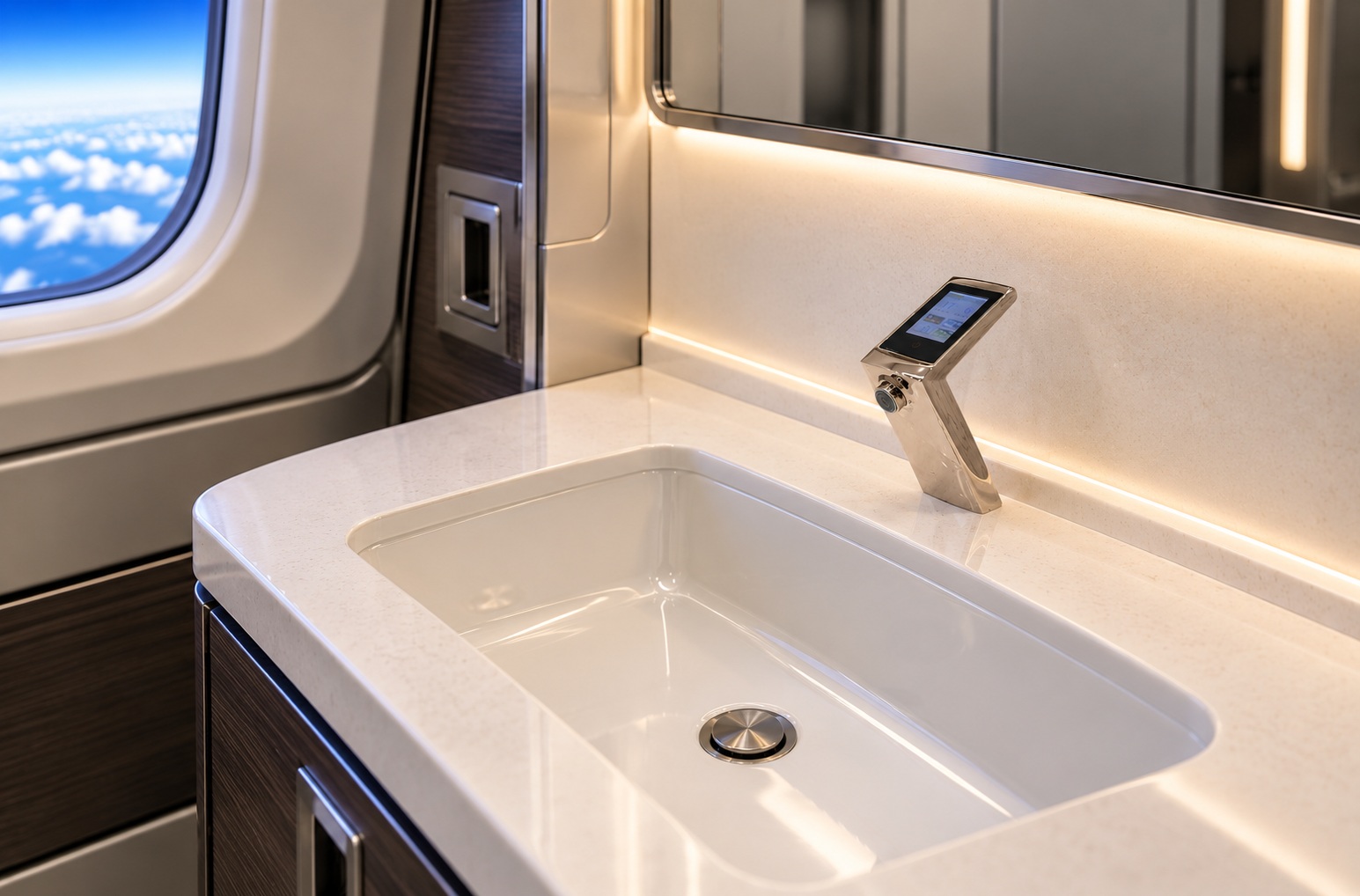
Sensor Technology
Infrared and other proximity approaches are used to detect user presence and define the activation field around the fixture.
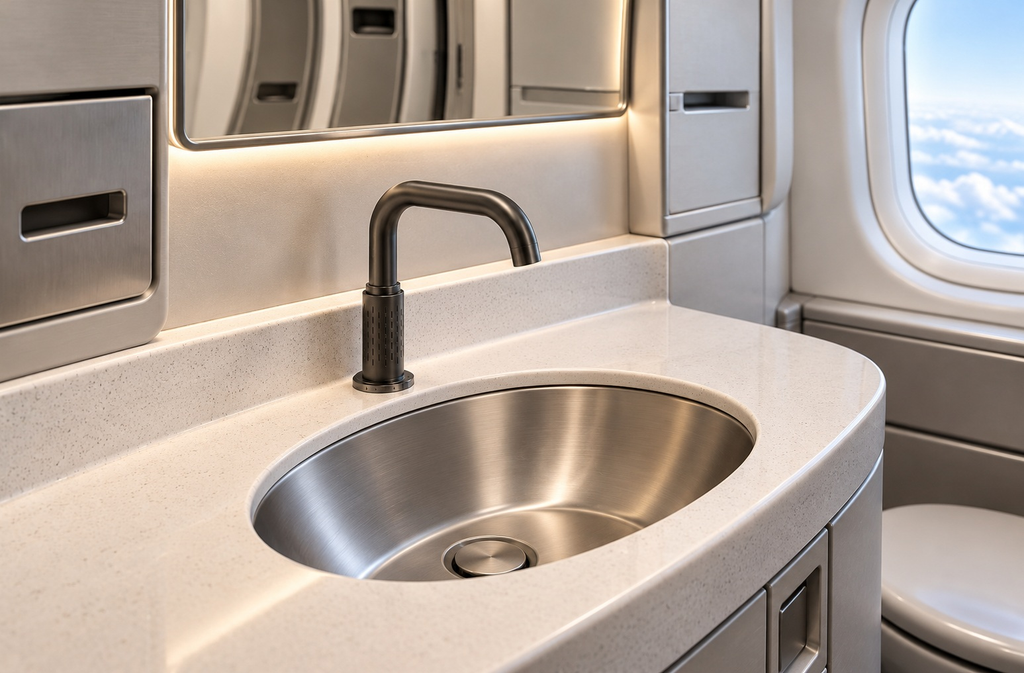
Electronic Logic
Controllers interpret sensor signals and govern valve activation, response behavior, timing and automatic shutoff sequences.
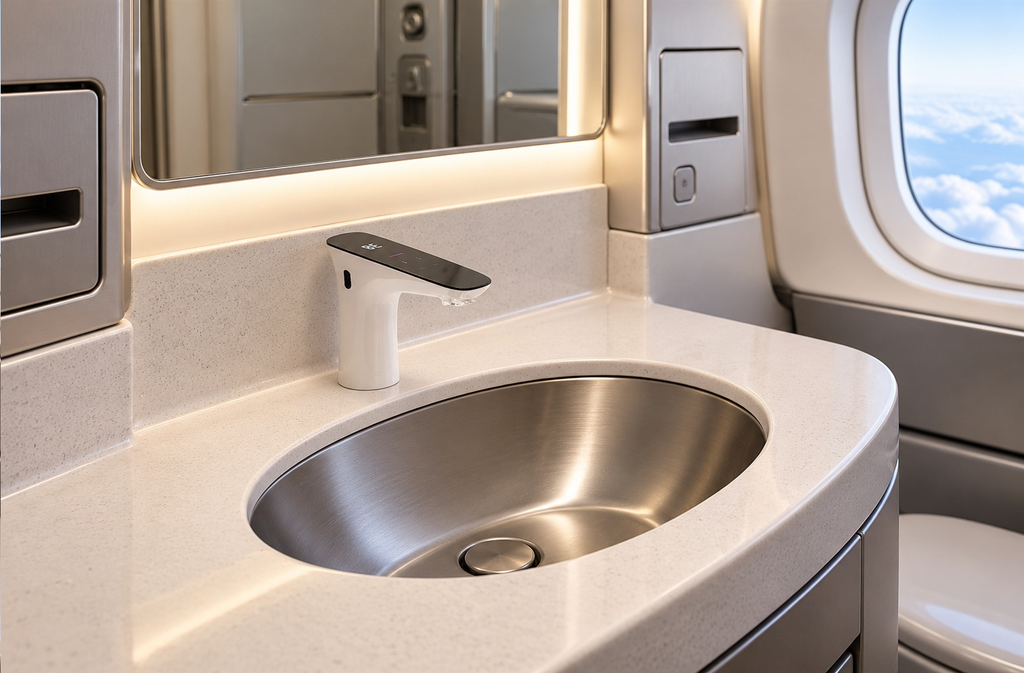
Flow & Water Delivery
Flow regulation, supply pressure, activation duration and plumbing conditions influence actual water delivery at the fixture.
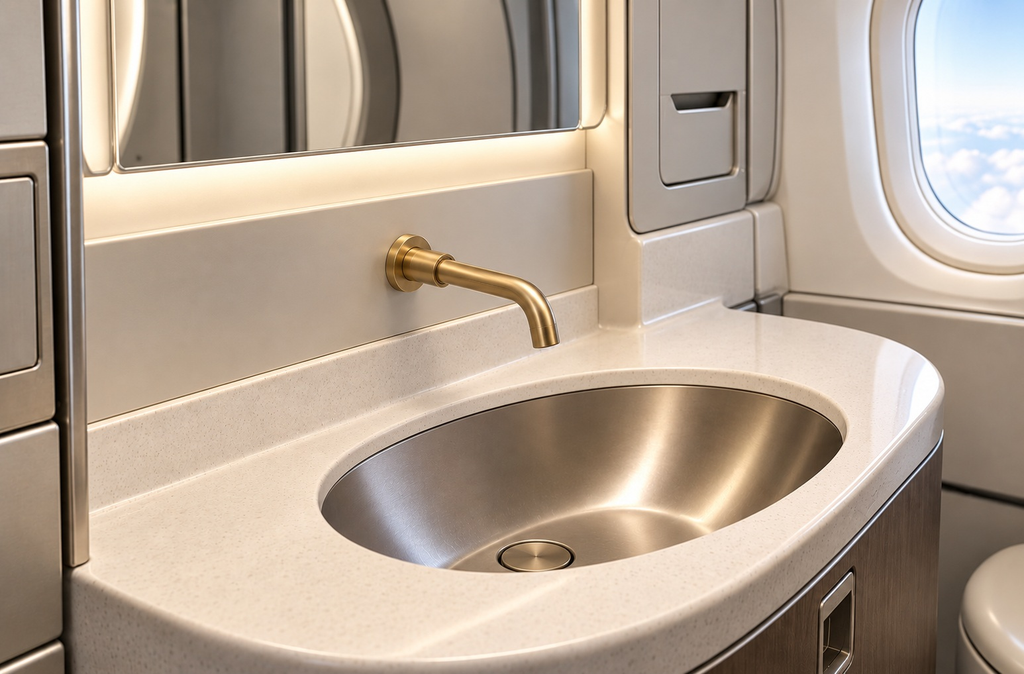
Water Performance
Automatic shutoff can reduce unnecessary runtime, while actual savings depend on flow rate, occupancy, commissioning and use patterns.
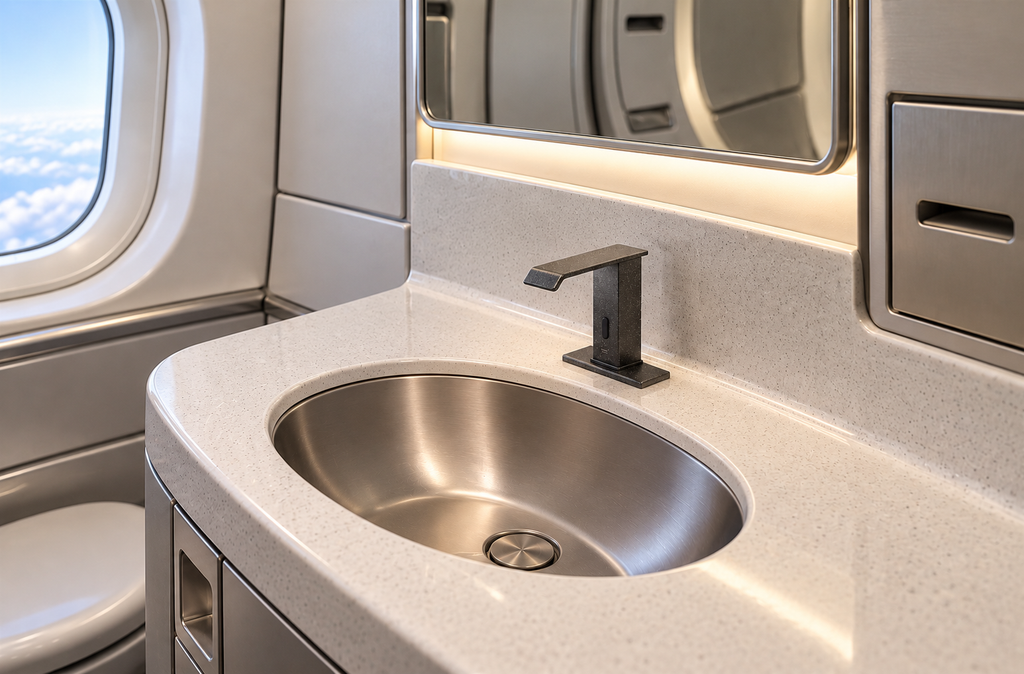
Power Architecture
Battery, hardwired and hybrid arrangements affect service strategy, reliability, installation coordination and downtime planning.
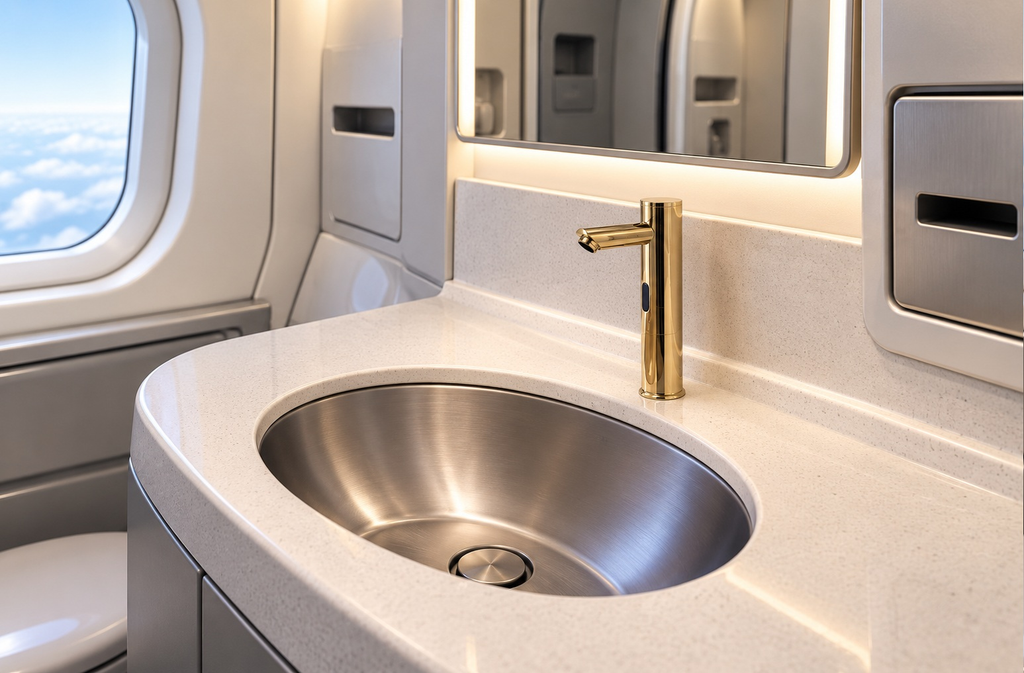
Service & Maintainability
Controller placement, filters, shutoff access, valve servicing and inspection requirements influence long-term facility operation.
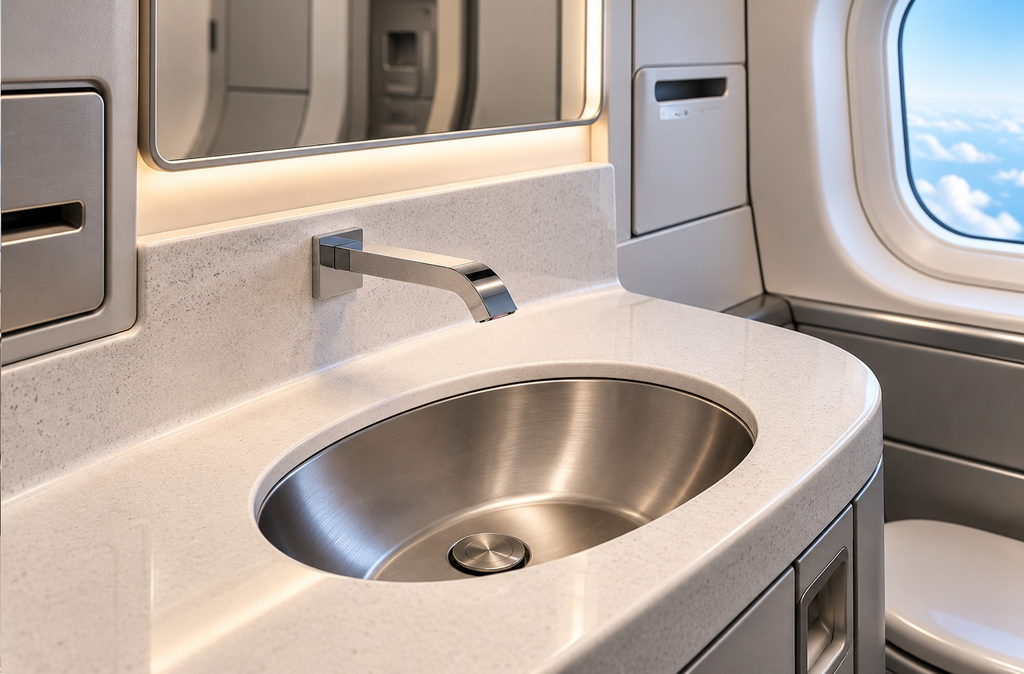
Flow Rate Is Only Part of the System
Touchless faucet water performance is affected by more than the nominal fixture flow rate. Activation duration, supply pressure, user behavior, commissioning and occupancy patterns all influence actual consumption.
Automatic shutoff limits unattended flow, but engineering evaluation should consider the complete operating sequence and the building conditions surrounding the fixture.
- Flow regulation: Controls the quantity of water delivered during activation.
- Activation duration: Influences water use during each handwashing cycle.
- Supply conditions: Pressure and plumbing configuration affect delivered performance.
- Commissioning: Sensor field and control settings can affect operating behavior.
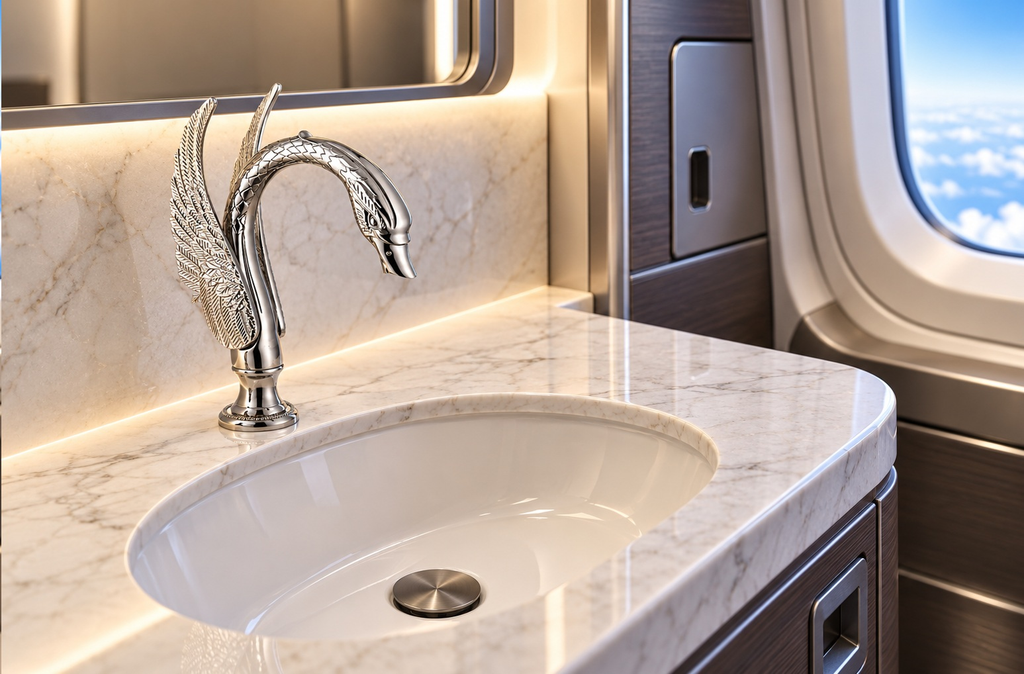
Coordinating the Fixture With Building Systems
Sensor faucets interact with domestic water distribution, mixing arrangements, pressure control, electrical systems, basin geometry and maintenance access.
For AEC teams, these interfaces should be considered during design rather than treated as isolated fixture decisions.
- Water supply: Hot, cold or tempered-water arrangements must suit the intended system design.
- Basin geometry: Spout reach, sensor field and drain position influence user interaction and splash control.
- Power coordination: Electrical provisions must align with the selected control architecture.
- Service access: Controllers, filters and valves should remain reachable for inspection and maintenance.
Key System Interfaces
Each faucet interacts with several technical domains that should be evaluated together during design, installation and facility operation.
Sensor Field
Detection range, reflectivity, user position and basin geometry can influence activation behavior.
Valve Actuation
The controller and solenoid work together to translate a detection event into controlled water flow.
Pressure & Flow
Water supply conditions and flow regulation influence delivered performance and user experience.
Power & Continuity
Battery, AC and hybrid arrangements affect service intervals, installation and operational resilience.
Basin & Countertop
Fixture position, spout geometry and sink design should be coordinated to support effective operation.
Maintenance & Access
Service strategy should account for valves, filters, controls, power sources and component replacement.
Technical Considerations for Design Teams
Architects, plumbing engineers, MEP teams and specification professionals evaluate touchless faucet systems as part of a broader building design rather than as isolated decorative fixtures.
Coordination should address installation conditions, power, hydraulics, user interaction, maintenance access and technical documentation.
Review spout reach, sink geometry, drain alignment, sensor field and anticipated user position.
Coordinate supply, control components, wiring or battery access, valves and under-counter service space.
Record relevant fixture, control, power, plumbing and maintenance requirements within project documentation.
Facility teams benefit from clear access information, component identification and routine maintenance guidance.
Technical Performance in High-Use Facilities
Operating conditions differ by facility type, making infrastructure context important when evaluating touchless plumbing systems.
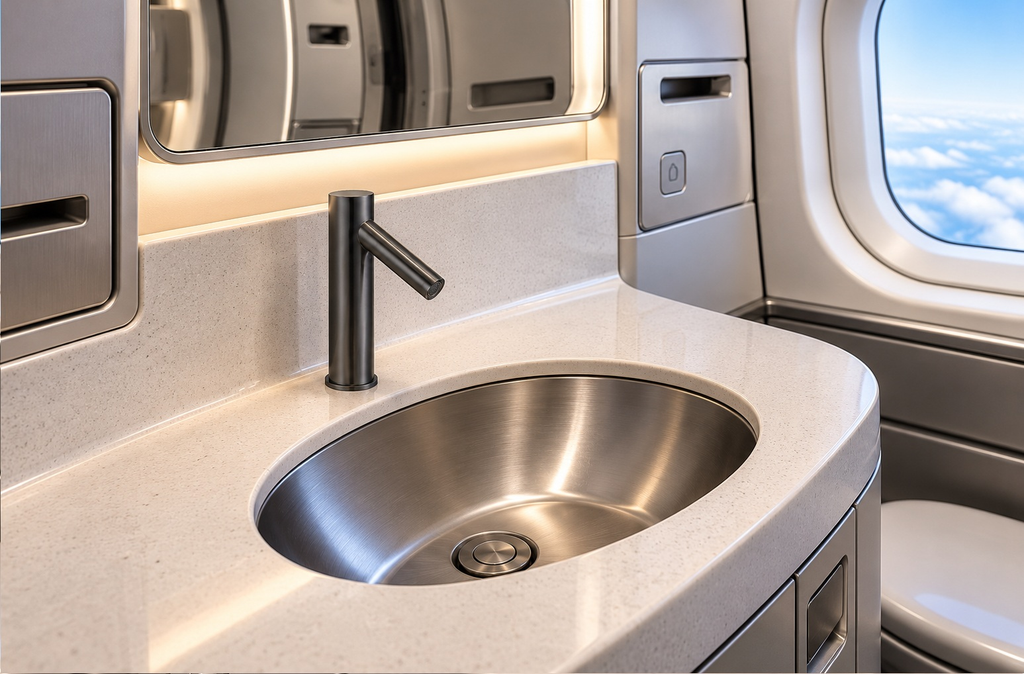
 Airport Facilities
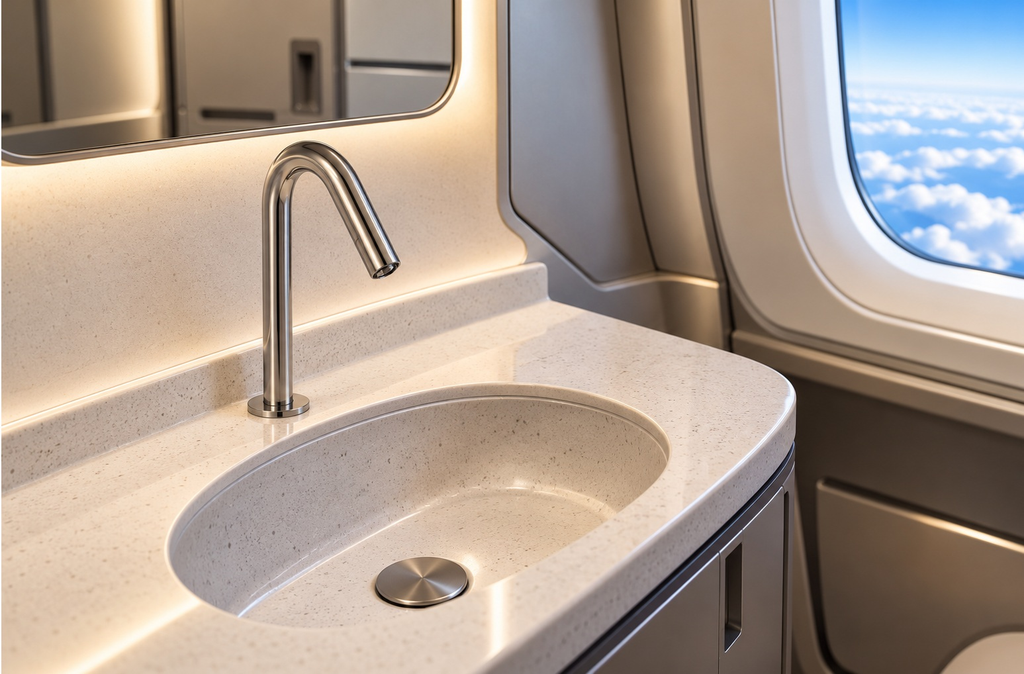
 Transportation Facilities
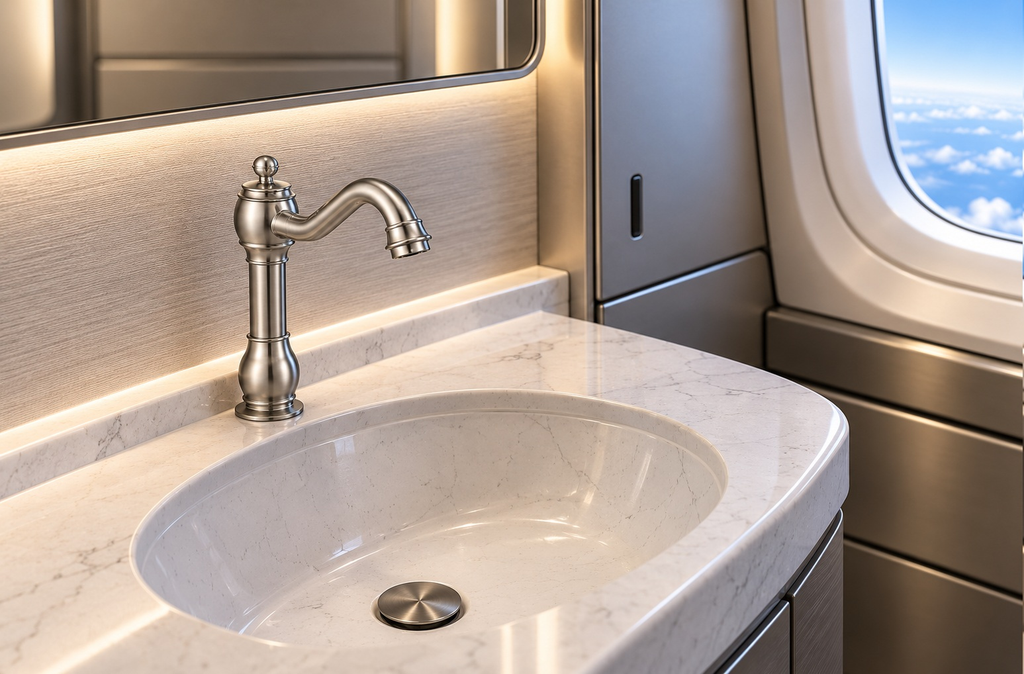
 Commercial Buildings
 Institutional Facilities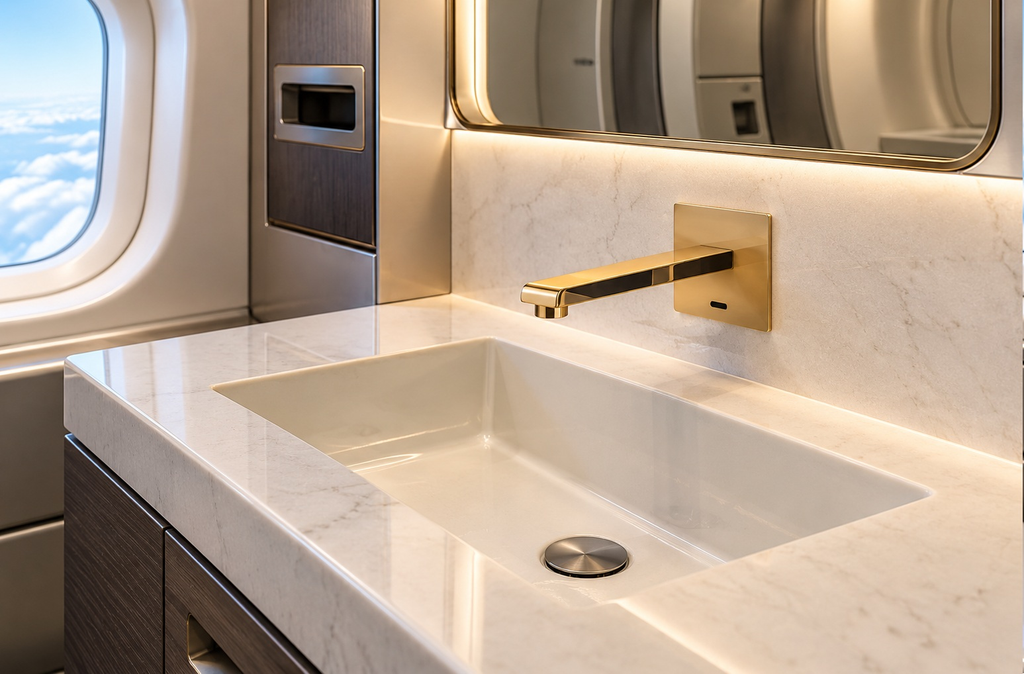
Connecting Fixture Technology With Building Infrastructure
The technical objective is to explain how sensing, controls, hydraulics, power, plumbing coordination and facility operations interact within a complete touchless faucet system.