
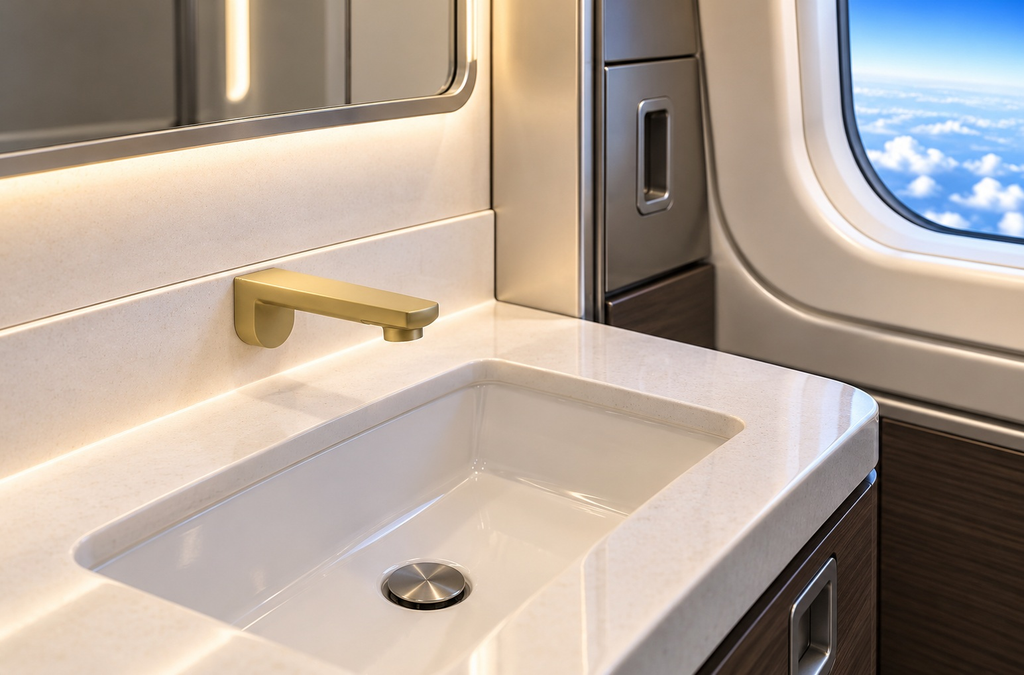
Researching the Systems Behind Touchless Water Delivery
Technical research examining sensor detection, electronic control, water efficiency, hygiene, plumbing integration, facility operations and specification considerations for touchless faucet systems used in aviation and other high-traffic public infrastructure.
From User Detection to Building Infrastructure
Touchless faucets are electro-mechanical plumbing systems. Sensors, electronic controls, solenoid valves, flow regulation, power supply and water distribution must work together to provide controlled water delivery.
The research platform examines these relationships in the context of airports, transportation facilities, institutional buildings and other commercial environments exposed to sustained public use.
The objective is to provide architects, engineers, plumbing designers, specification professionals and facility managers with organized technical context rather than product-sales material.
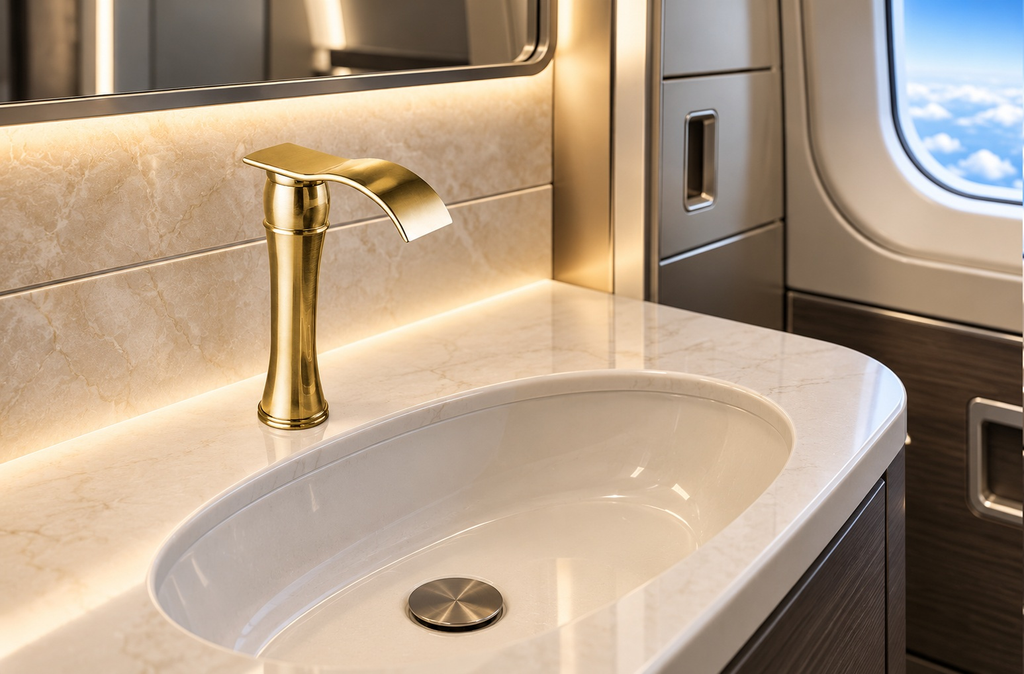
Engineering Topics in Sensor-Activated Faucets
Research is organized around the technical and operational factors that influence automatic faucet performance within complex facilities.
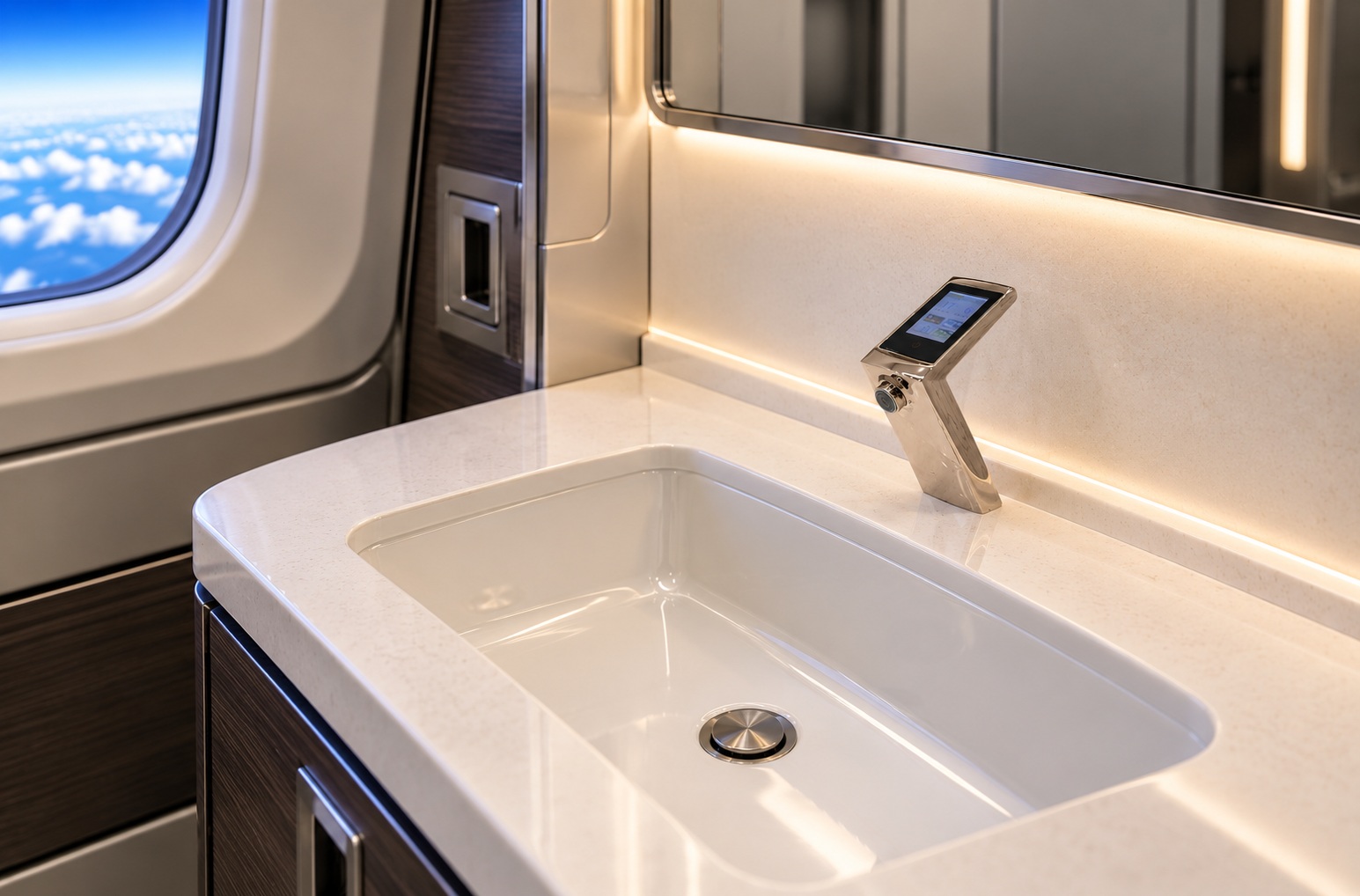
Detection & Electronic Control
Research into infrared, proximity and other detection approaches, controller behavior, solenoid actuation, response characteristics and automatic shutoff sequences.
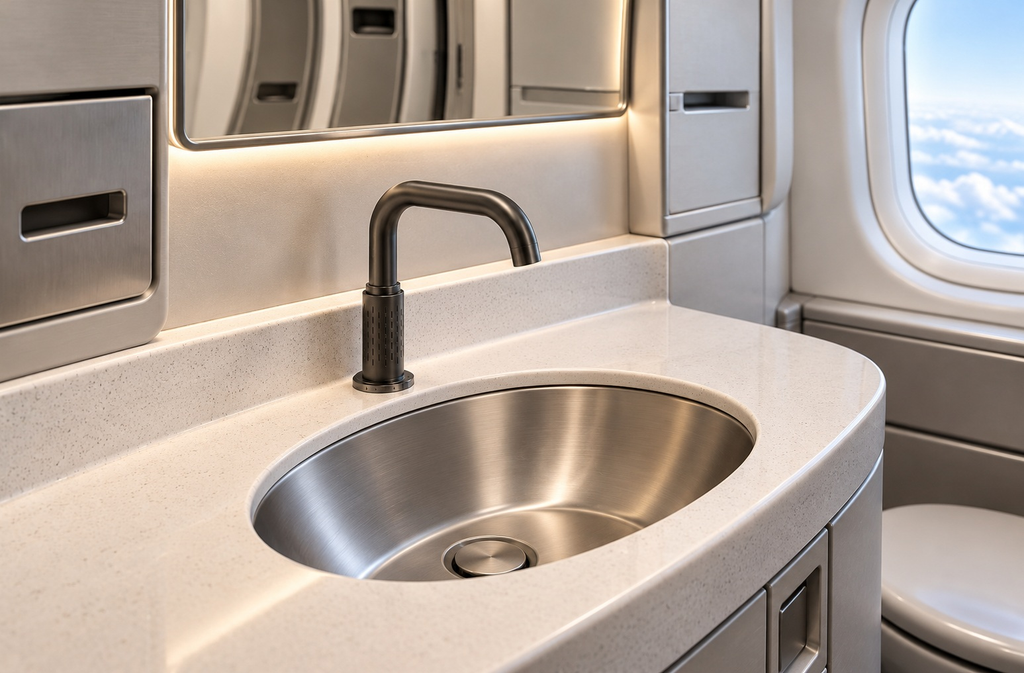
Efficiency & Conservation
Study of flow rate, activation duration, supply pressure, automatic shutoff, commissioning, occupancy and other factors affecting actual facility water use.
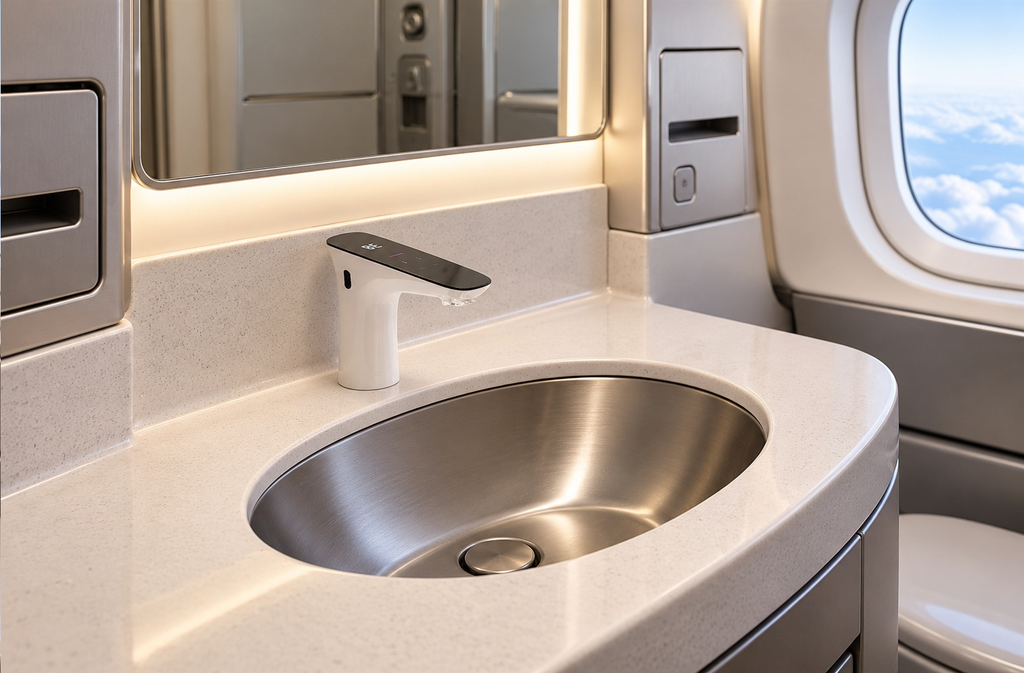
Hygiene & Water Management
Research concerning touch-free operation, stagnation, flushing, fixture maintenance, microbial conditions and broader building-water management considerations.
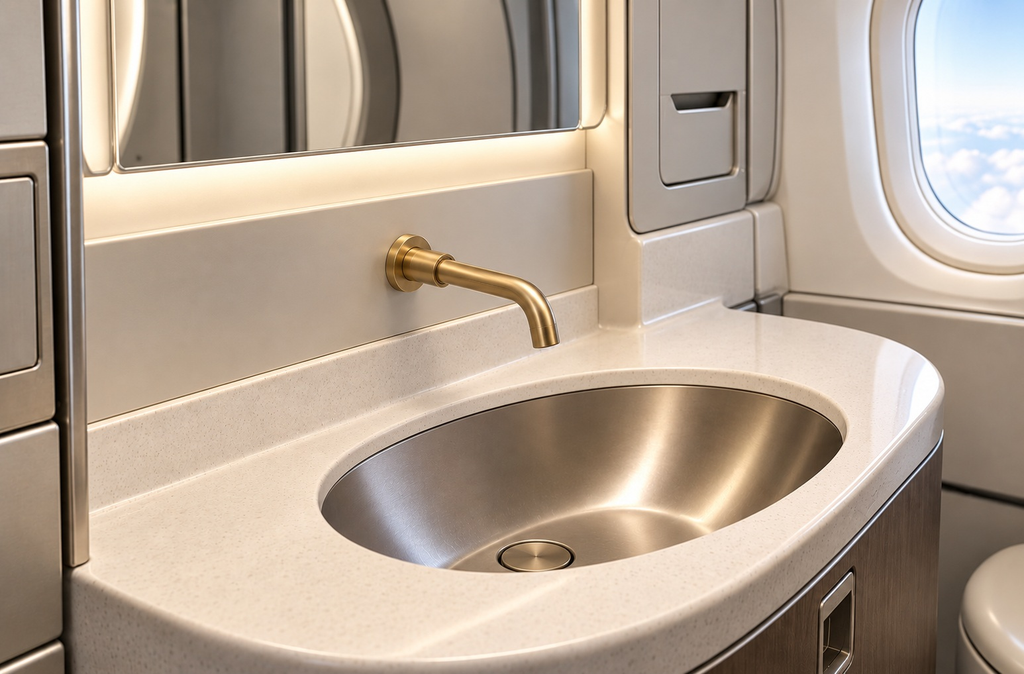
Plumbing & System Integration
Technical context supporting basin coordination, water supply, power architecture, rough-in planning, service access, fixture evaluation and infrastructure documentation.
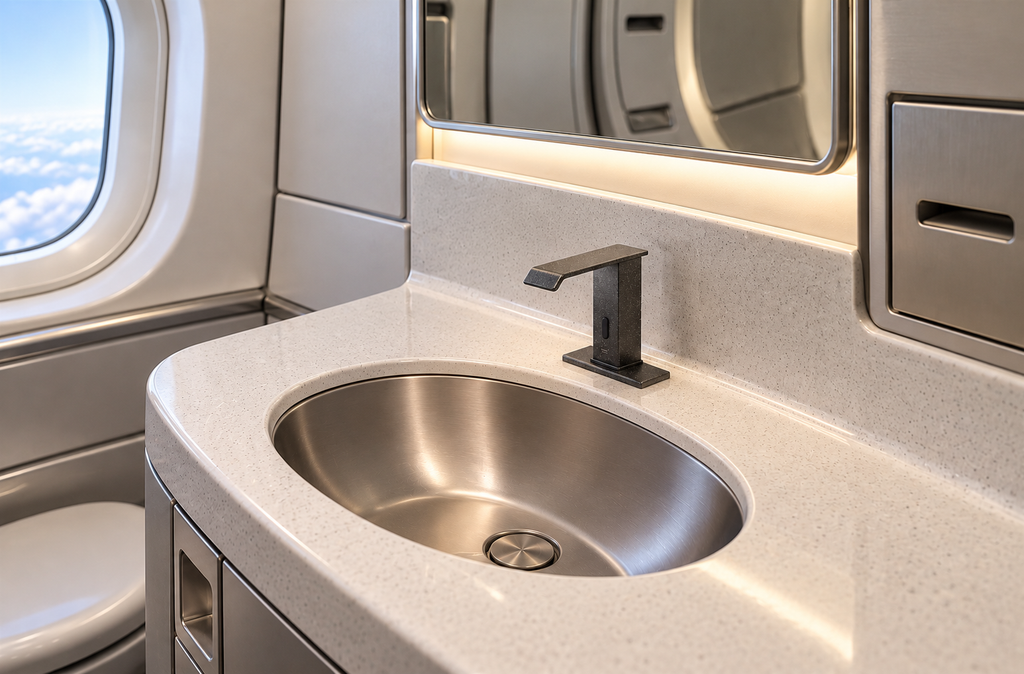
Maintenance & Serviceability
Evaluation of controller access, filters, valves, power arrangements, inspection requirements and maintainability under high-use operating conditions.
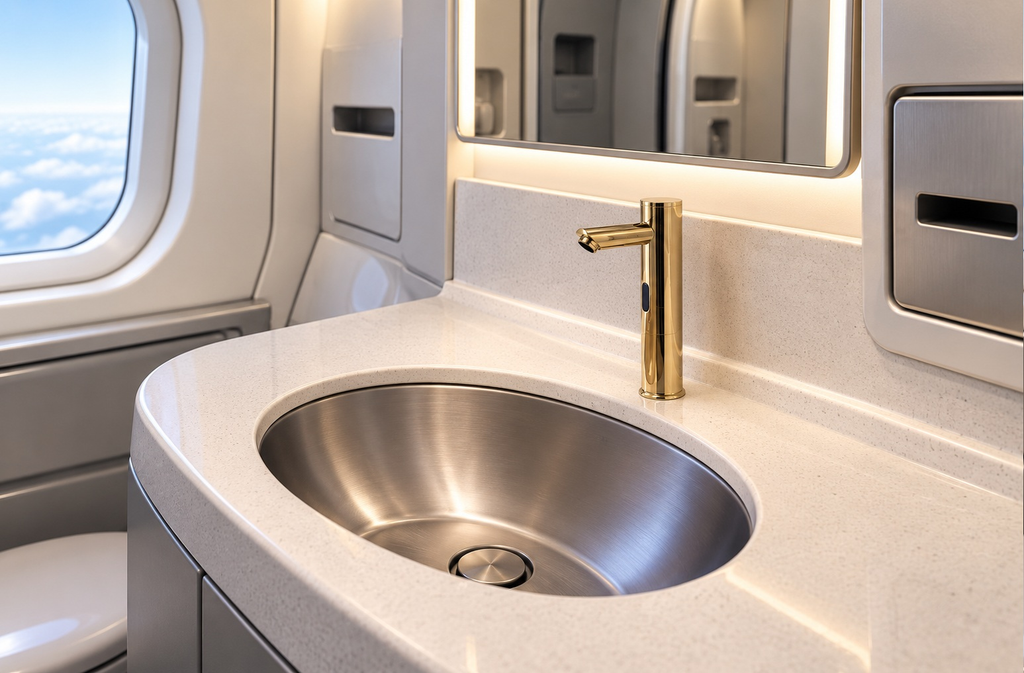
Airport & Transportation Infrastructure
Research into plumbing-system requirements in facilities with fluctuating passenger demand, extended operating periods and demanding maintenance environments.
Understanding the Complete Operating Sequence
Automatic faucet performance depends on a coordinated sequence: the sensing system identifies user presence, the controller interprets the signal, the valve opens the water path and the system closes flow when the activation condition ends.
Engineering evaluation therefore extends beyond the visible faucet body to the components and infrastructure that support it.
User-presence detection and sensing-field behavior.
Signal processing, timing and activation logic.
Electromechanical control of the water path.
Water-delivery characteristics and conservation.
Battery, hardwired and hybrid arrangements.
Water supply, basin geometry and service access.
Research Across High-Traffic Facilities
Touchless fixture performance is evaluated in the context of the buildings and operating conditions in which these systems are used.
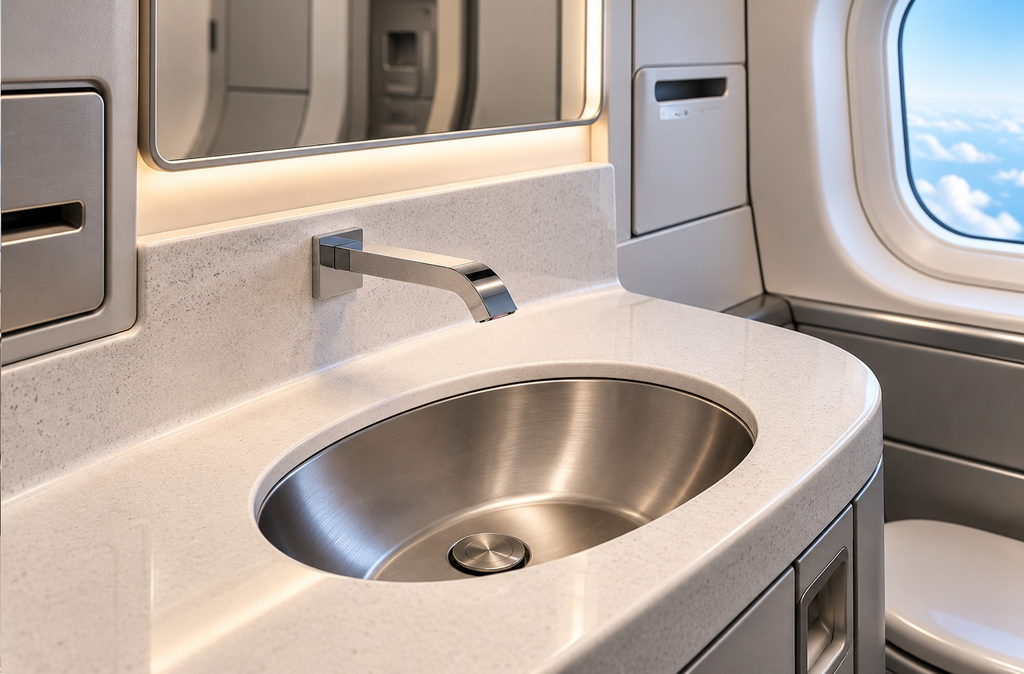 Airport Facilities
 Transportation Facilities
 Commercial Buildings
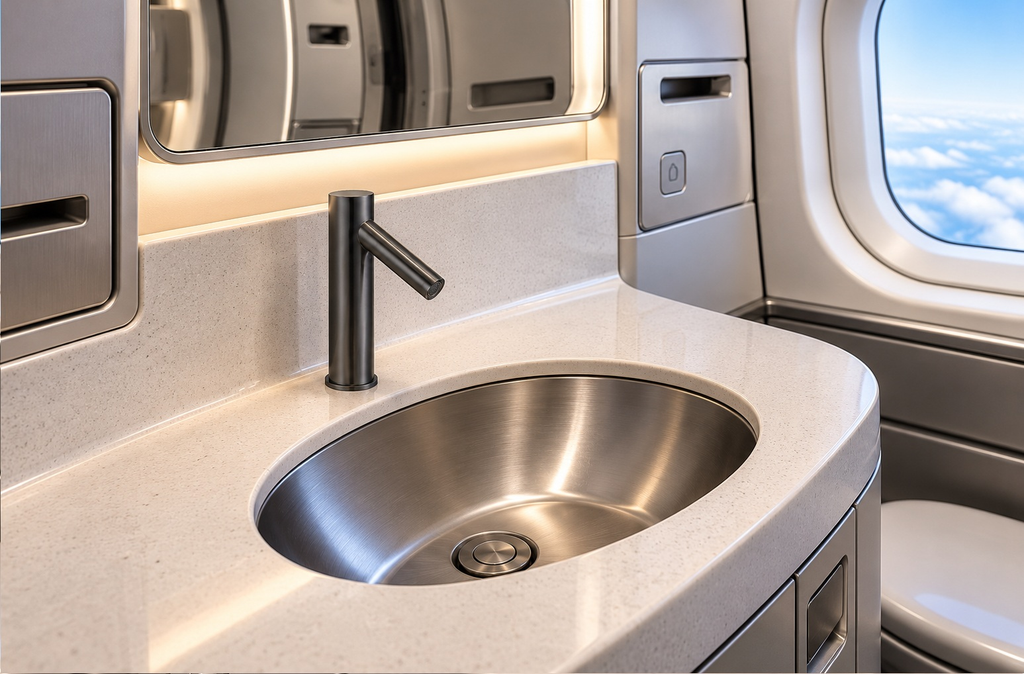 Institutional Facilities
A Technical, Independent Perspective
The platform is intended as a research and educational resource rather than a product marketplace. Research is structured around engineering information, technical literature, infrastructure context and relevant manufacturer documentation.
Manufacturer references are included where they contribute useful specifications, installation information or operating principles; inclusion is not presented as endorsement.
Technical studies and published material relevant to sensor faucets, plumbing systems, water performance and facility operation.
Research interpreted in relation to airports, transportation hubs and other high-use public buildings.
Installation, specification and operating information used to understand system characteristics and coordination requirements.
Technical information is organized to support understanding rather than to function as a product-sales channel.
Translating Research Into Useful Engineering Context
Research can support evaluation of sensor behavior, hydraulic requirements, power arrangements, rough-in conditions, basin coordination and maintenance criteria.
The goal is to connect individual fixture technologies with the broader building systems that influence their operation.
View Documentation →Technical Reference Sources
Manufacturer literature may be referenced when it provides useful engineering data, installation information, specifications or operating principles. Inclusion does not represent endorsement.
Building a Knowledge Base for Future Public Infrastructure
The broader objective is to document how touchless faucets interact with aviation infrastructure, commercial plumbing systems, water management, electronic controls and facility operations.